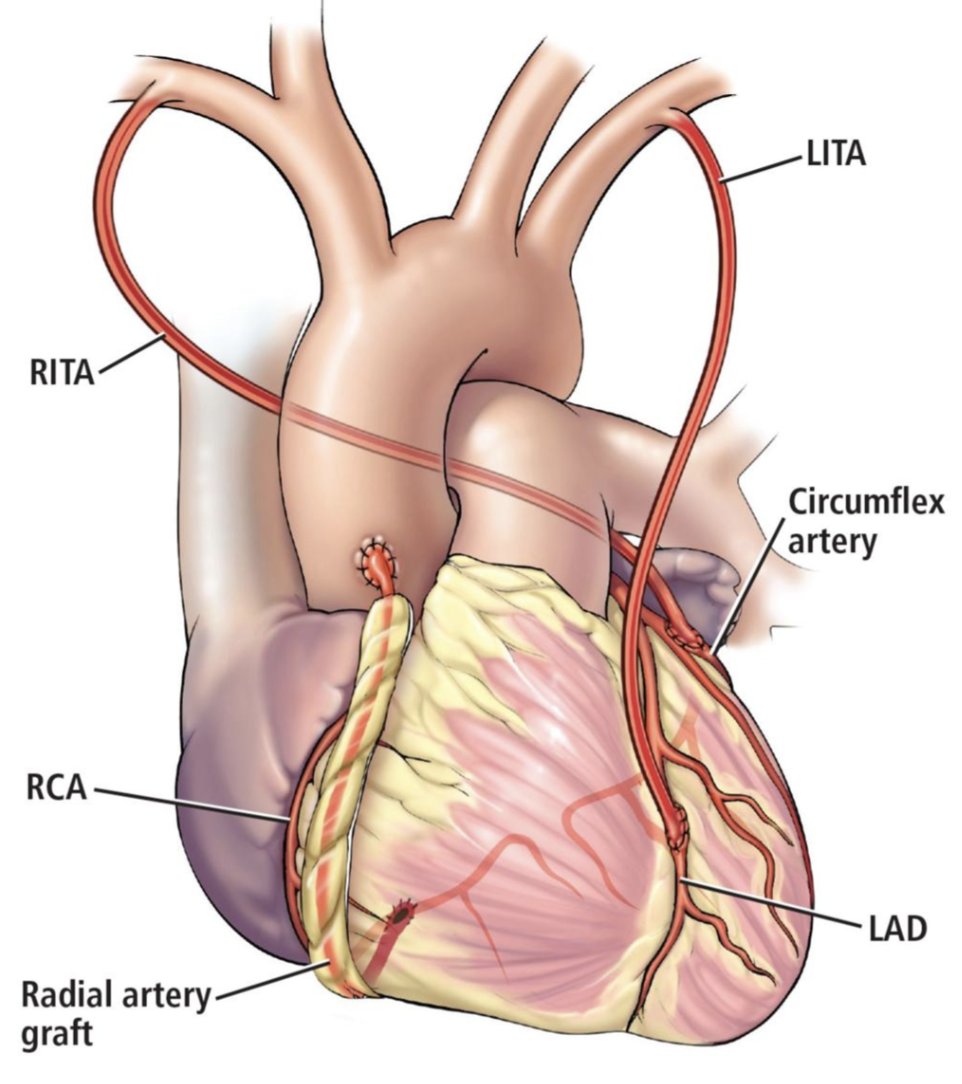
Total Arterial Coronary Bypass Surgery
Bypass grafting using only arteries — both internal thoracic arteries and the radial artery — as a durable alternative to multiple coronary stents.
Read moreCardiac, thoracic and transplant surgery in the UAE
Services
Surgical treatments designed around your needs, putting you at the centre of the decision-making process. Explore the procedures and treatment information below.
Specialist procedures
Aortic root surgery that keeps your own valve.
View treatmentBypass grafting for coronary artery disease, including beating-heart techniques.
View treatmentBypass grafting using only arteries for long-term durability.
View treatmentMechanical circulatory support for heart failure.
View treatmentRepair of a leaking mitral valve where repair is suitable.
View treatmentImmediate surgery for a tear in the main artery from the heart.
View treatmentTreatment of an infection on a heart valve when antibiotics alone are not enough.
View treatmentBypass grafting using only arteries — both internal thoracic arteries and the radial artery — as a durable alternative to multiple coronary stents.
Read more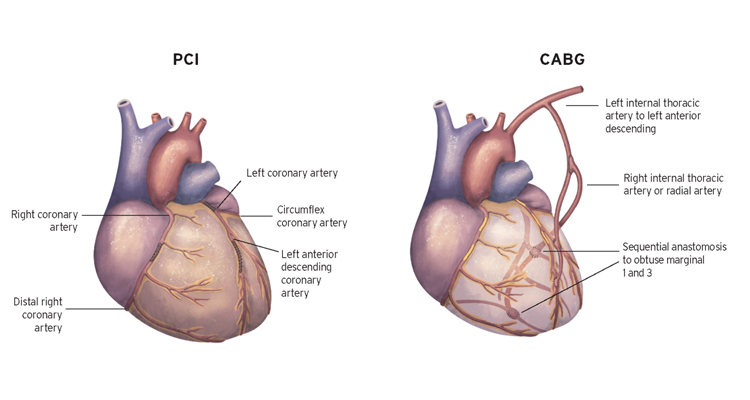
The evidence for bypass surgery over stents in complex multivessel and left main disease — and when stents remain the right choice.
Read more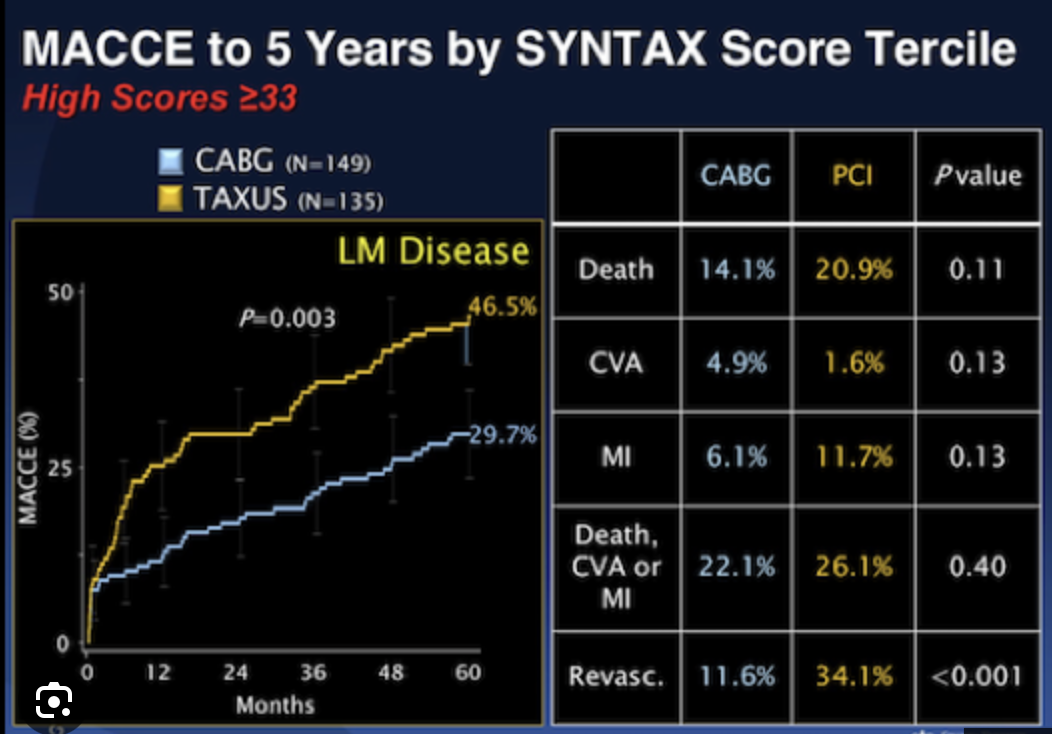
The most important trial of CABG versus PCI is the SYNTAX Trial. SYNTAX was a trial in patients with multi-vessel and/or left main stem disease. SYNTAX also had a database called a nested parallel registry that looked at outcomes in 1,078 patients who were deemed ineligible for randomisation for the SYNTAX study. Over 80% of […]
Read more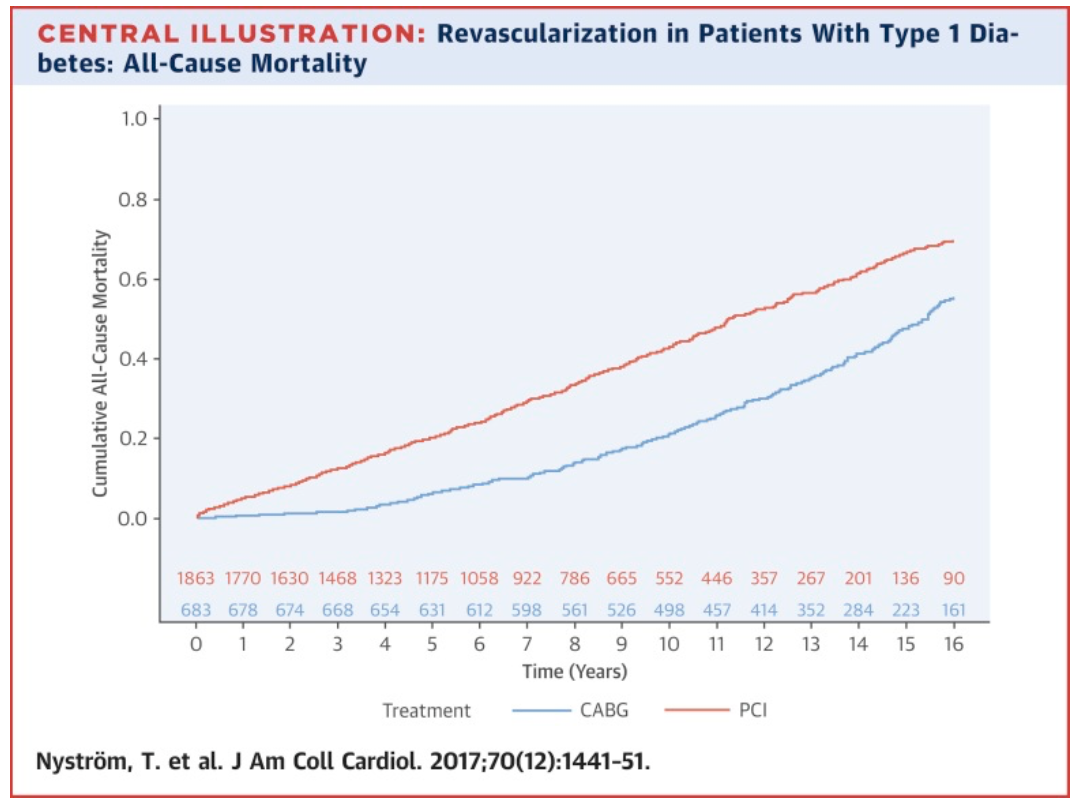
The optimal revascularization strategy in patients with diabetes has been settled by the Freedom trial. This trial randomized 1900 patients with diabetes and multivessel CAD already receiving aggressive medical therapy, to CABG or DES. The 5-year primary composite outcome occurred in 26.6% of the PCI group and 18.7% of the CABG group (P=0.005). Crucially, the […]
Read more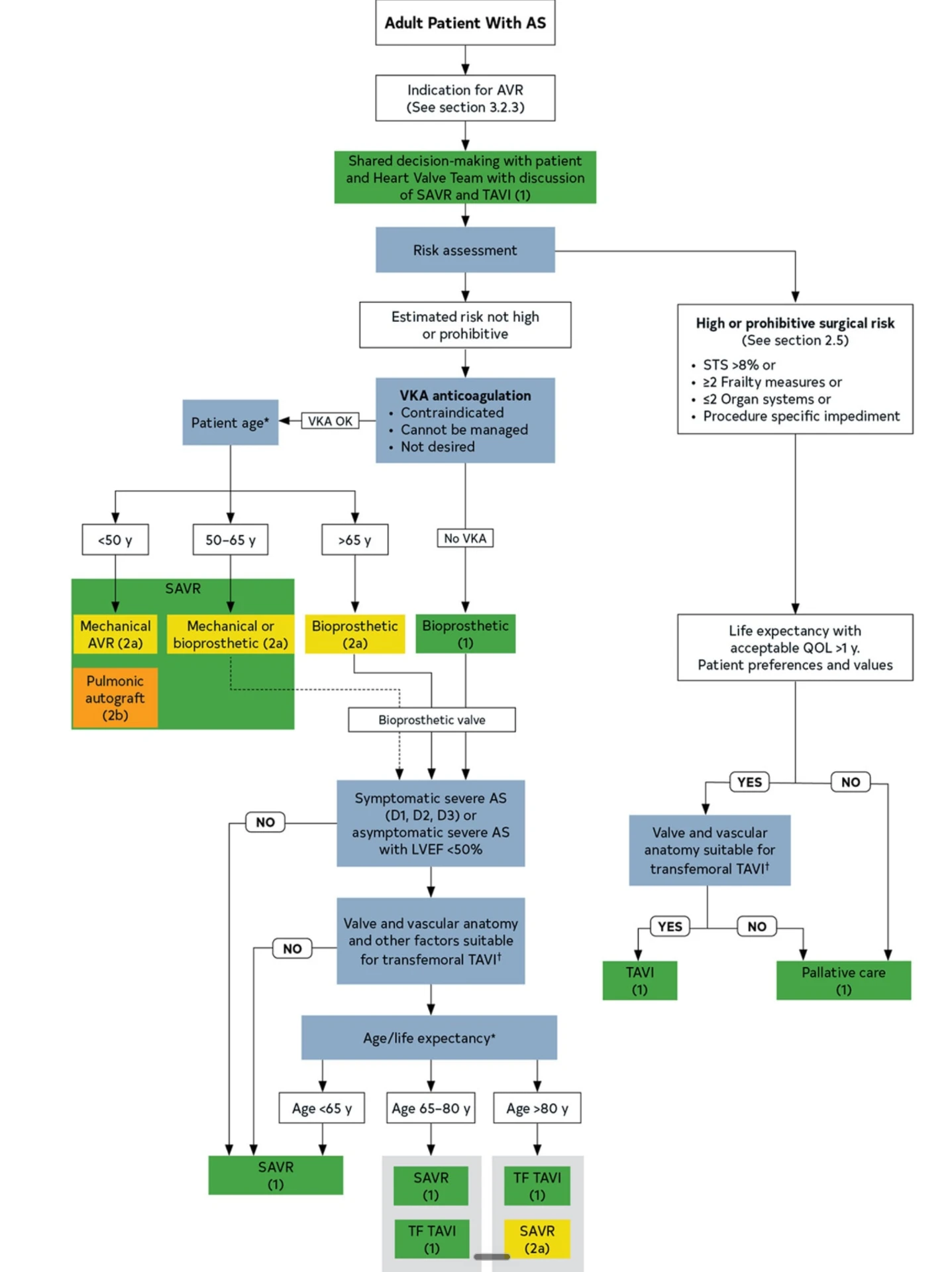
Patients with symptomatic severe valvular AS have a POOR PROGNOSIS WITHOUT VALVE REPLACEMENT. The average survival rate was 3 years after the onset of angina pectoris in patients with severe Aortic Stenosis (AS). The average survival rate after the onset of syncope in patients with severe AS ISs 3 years. The average survival rate after […]
Read more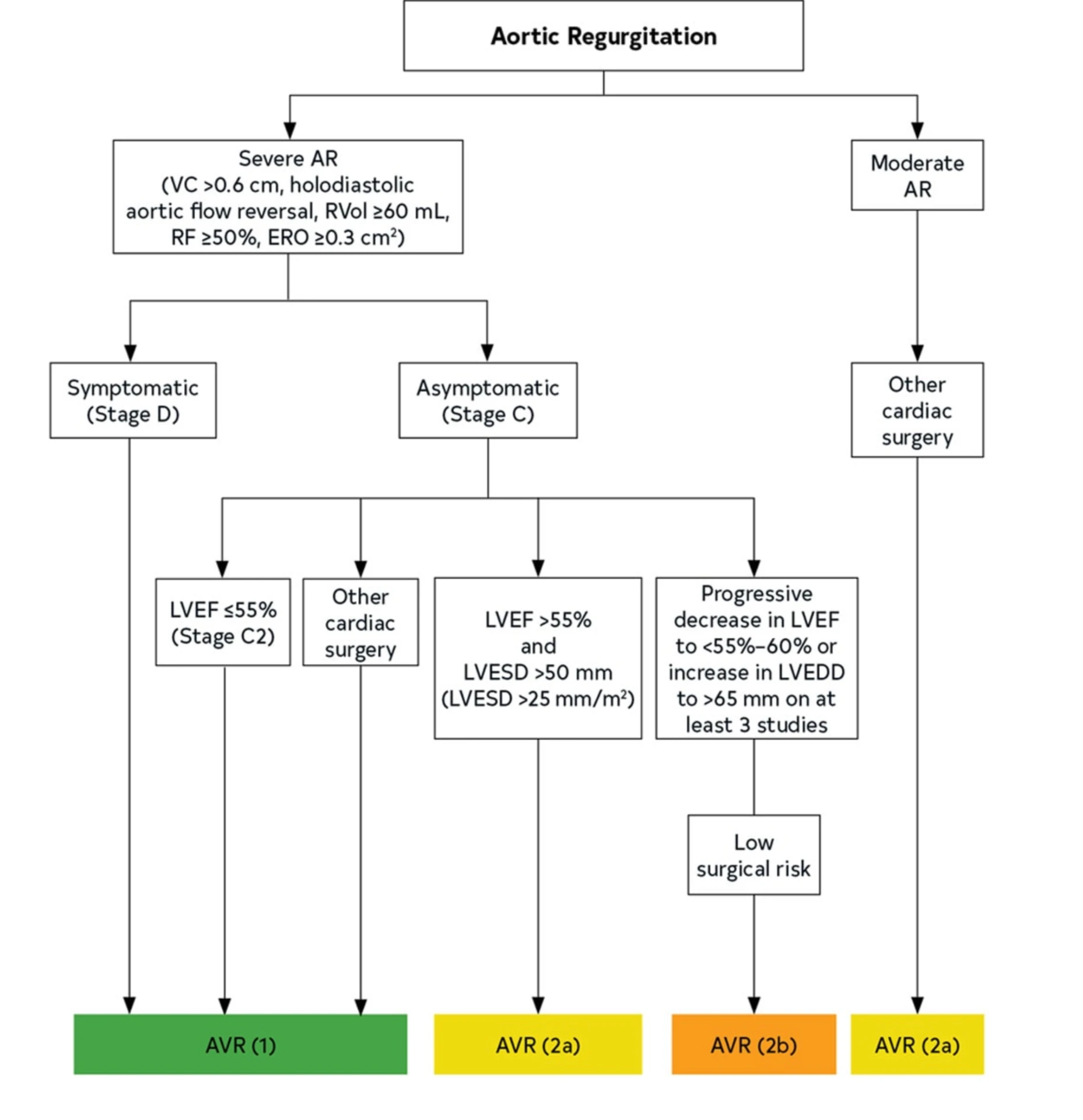
The natural history of chronic aortic regurgitation is well recognized. The asymptomatic patient who has moderate to severe aortic regurgitation may not have symptoms for many years. In seven studies,1–7 490 asymptomatic patients with moderate to severe aortic regurgitation were followed for a mean of 6.4 years. Based on these studies, the following can be […]
Read more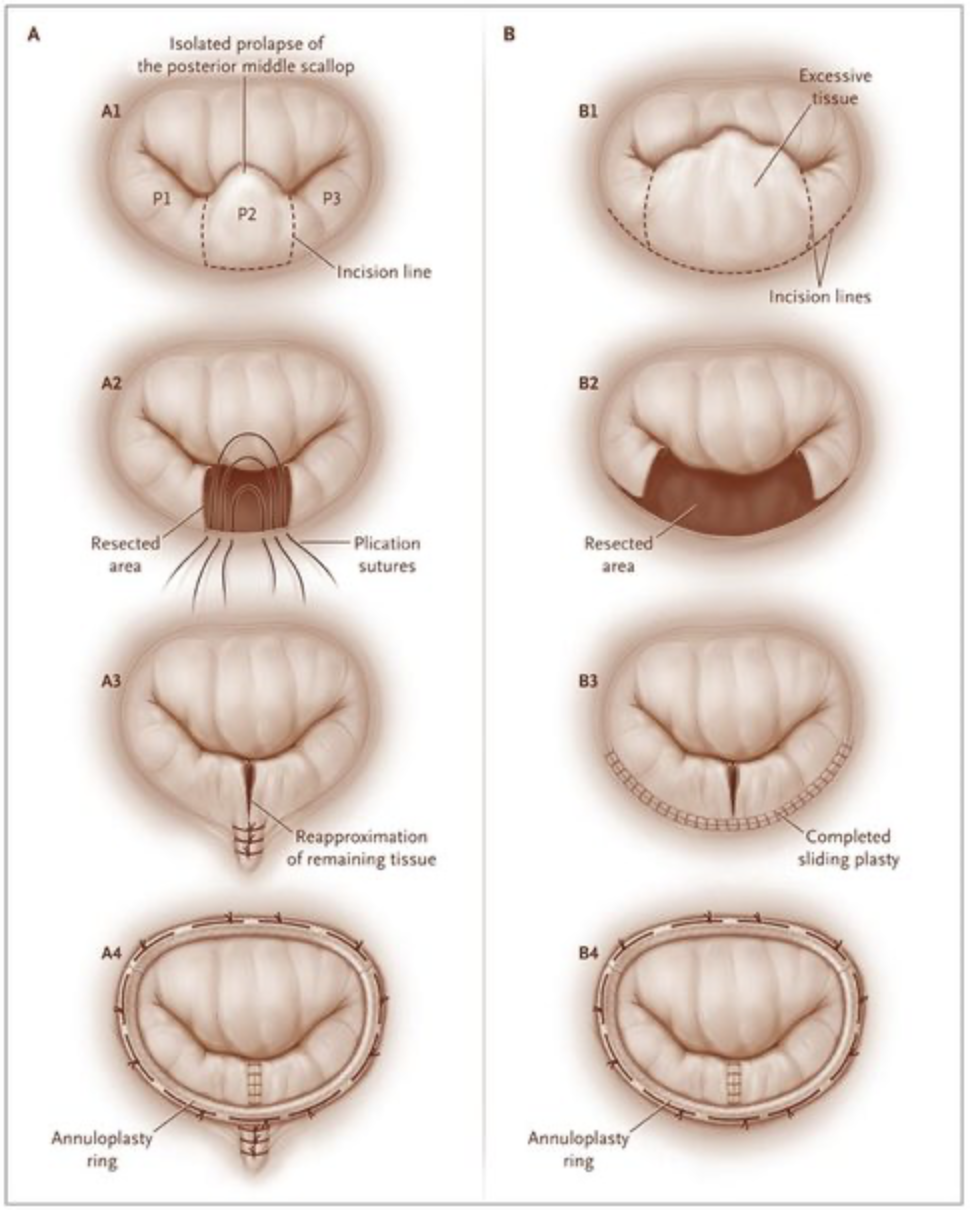
All patients who have any symptoms and moderate or severe mitral regurgitation should be referred for surgical treatment. It is preferable to operate on patients early in their symptomatic course, as long term survival following mitral valve repair is compromised in patients with New York Heart Association Class III or IV symptoms (see Figure 1)2. […]
Read more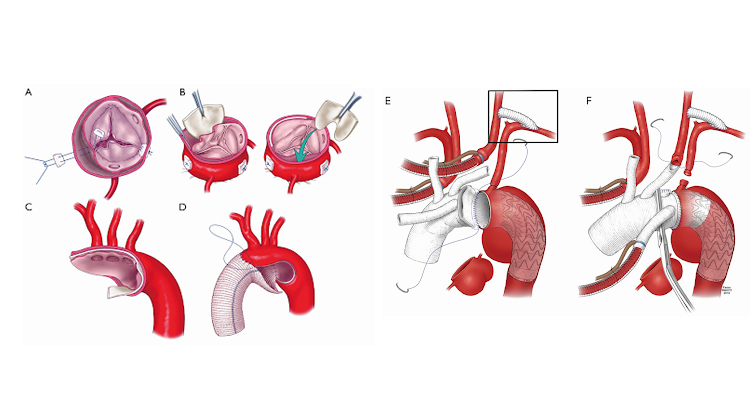
Surgical Repair of Aortic Root/ Ascending Aortic / Arch and Descending Aortic aneurysms. Surgery for Acute Aortic Dissection Dr Babar Bashir CHAUDHRI is an expert in the repair of aneurysms of the aorta and surgery for of acute aortic dissections. Acute Type A aortic dissection is a catastrophic emergency, which if untreated will kill over […]
Read more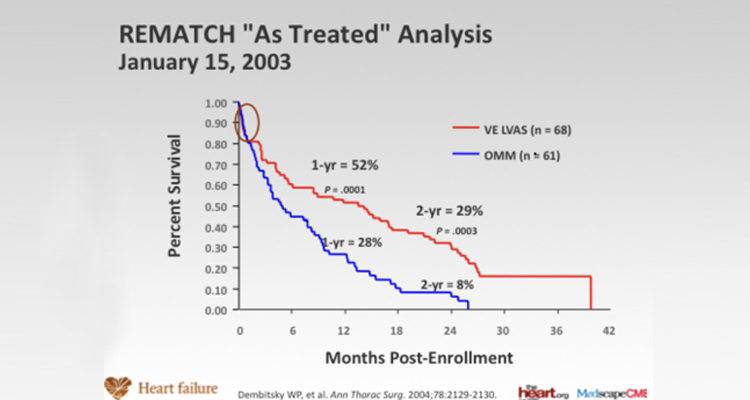
In patients with severe heart failure, cardiac transplantation has been shown to provide considerable benefit. Since 1967, in excess of 88,000 total heart transplants have been performed and 1-year survival is 81%, the annual mortality is 4% per year thereafter. The supply of donor hearts is incredibly limited and much research has focused on mechanical […]
Read more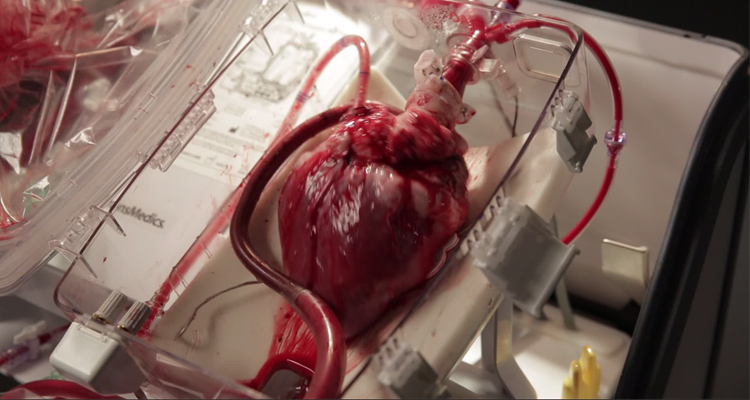
Indications for heart transplantation Recipient criteria for heart transplantation include, severe symp- toms despite maximal medical management, the absence of reversible or surgically amenable heart disease, and where esti- mated 1-year survival is less than 50%.2 An estimate of functional capacity can be quantified by measurement of peak O2 consump-tion (VO2max). Currently, VO2max remains the […]
Read more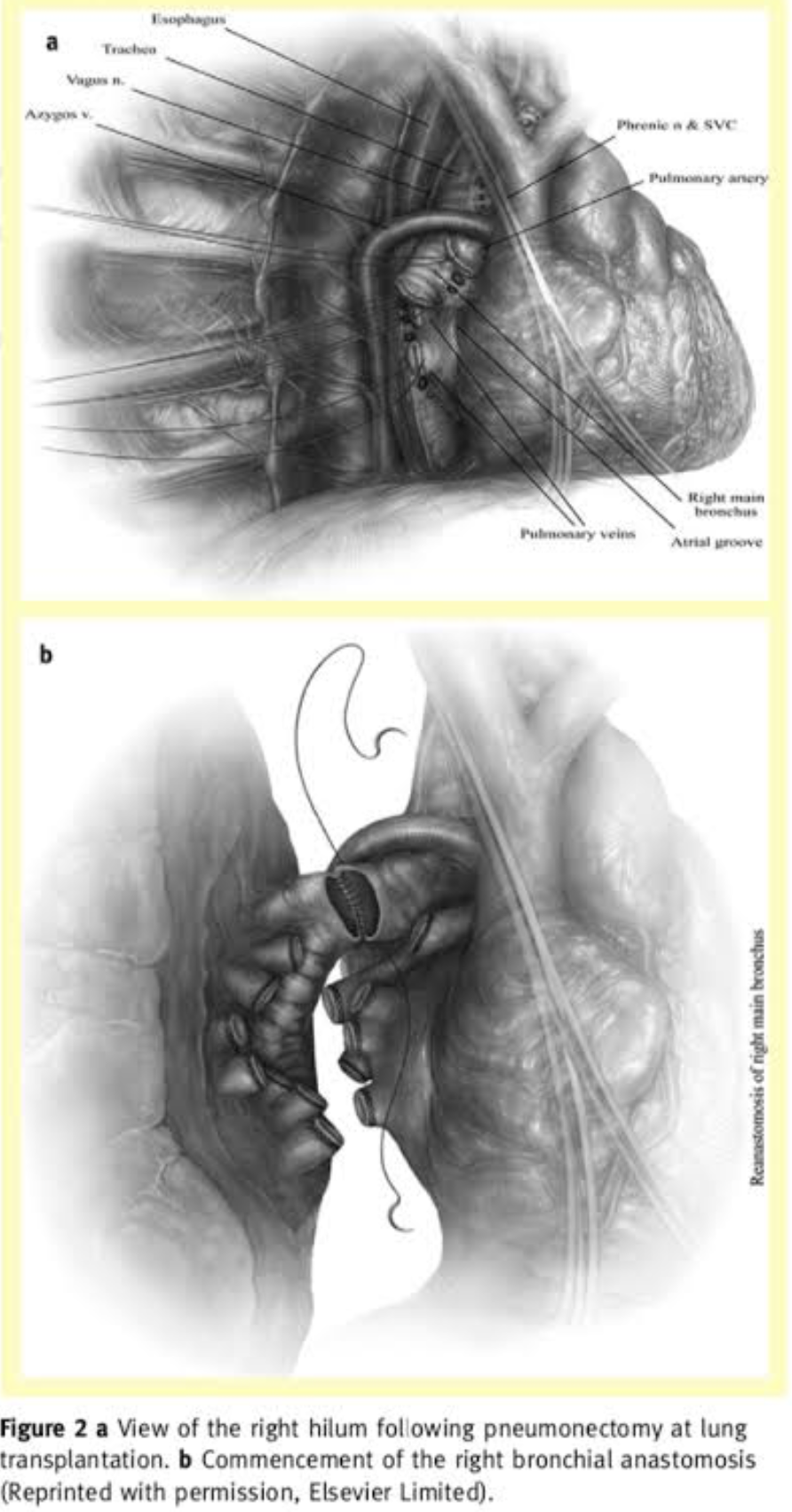
Lung transplantation Indications for lung transplantation Indications for lung transplantation include in general terms obstructive, septic, restrictive and vascular pulmonary diseases. The eligibility criteria for consideration for transplantation also are shown. In the presence of septic lung disease or pulmonary hypertension, the patient should receive a bilateral lung transplant. This removes the focus of sepsis […]
Read more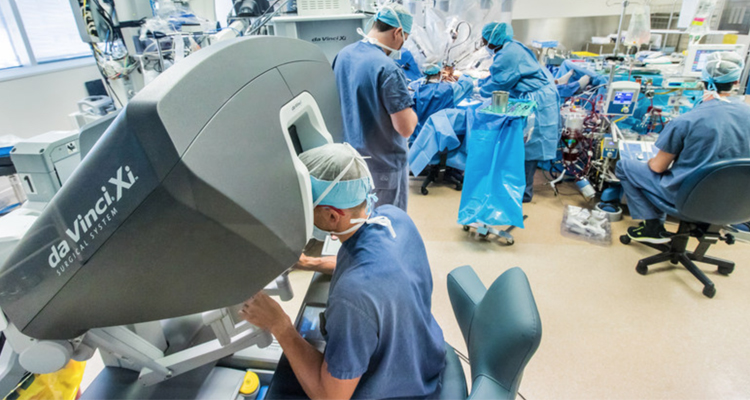
Robotic cardiac surgery is heart surgery done through very small cuts in the chest. With the use of tiny instruments and robot-controlled tools, Dr Babar Bashir CHAUDHRI is able to do heart surgery in a much less invasive way than conventional open-heart surgery. Robotic surgeries have been used for a number of different heart-related procedures, […]
Read more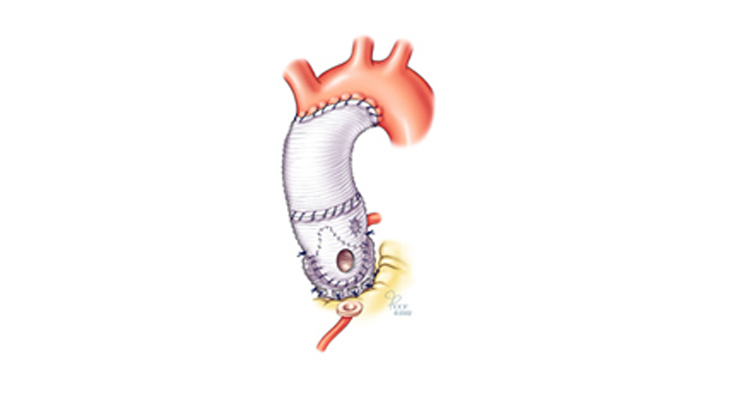
The best option is to try and preserve the existing valve. Doing this means that you won’t have to take anticoagulation drugs like warfarin for the rest of your life, and evidence shows that it reduces the risk of valve-related complications in the future. Aortic root reconstruction without valve replacement is done because not all […]
Read more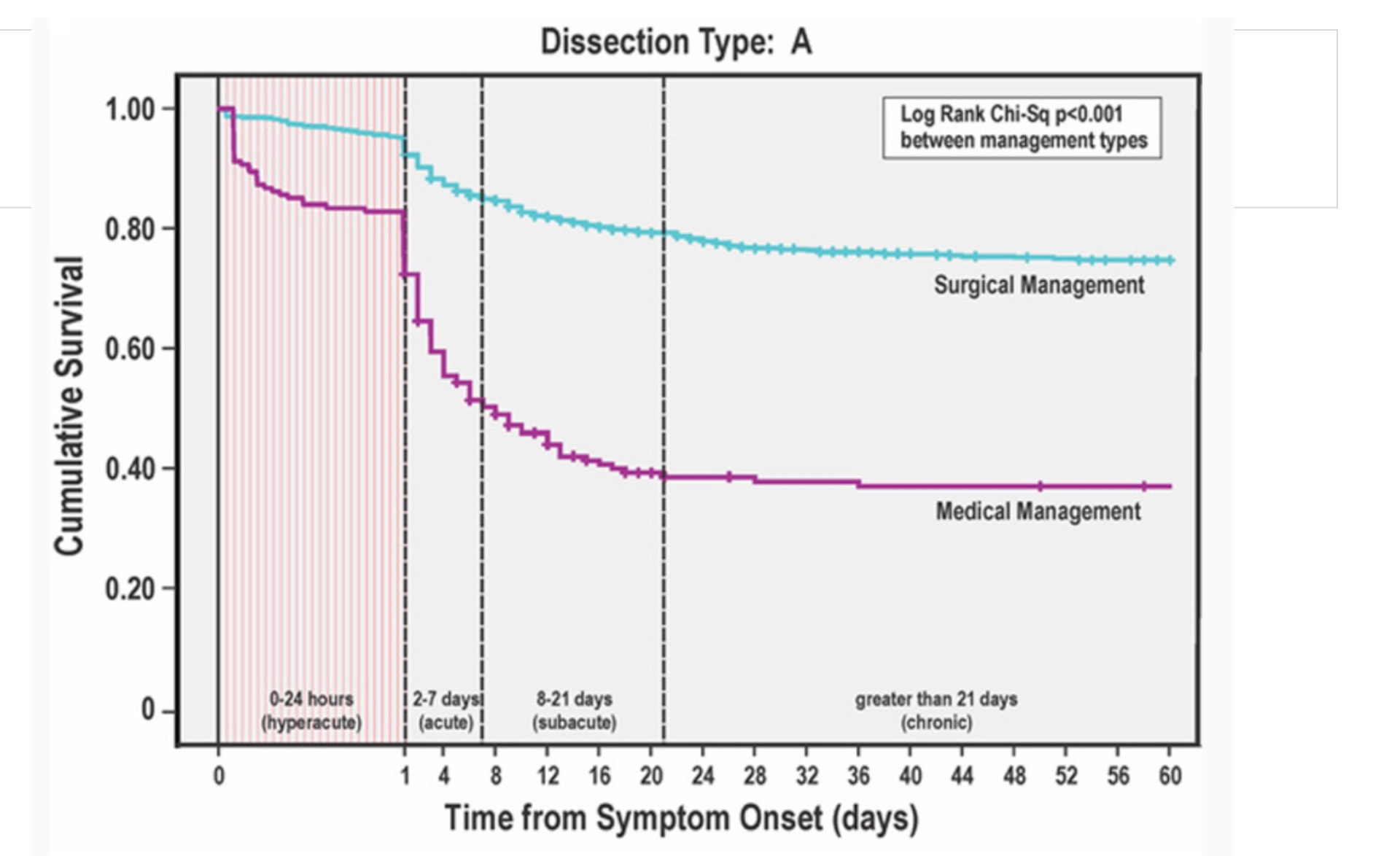
Patients who have an acute type A aortic dissection are a surgical emergency. Typically the ascending aorta is replaced with an open distal anastomosis such as a hemiarch with antegrade cerebral perfusion. The proximal anastomosis is then done at the sinotubular junction after removing all thrombus between the layers and gluing them together. Approximately 31% […]
Read more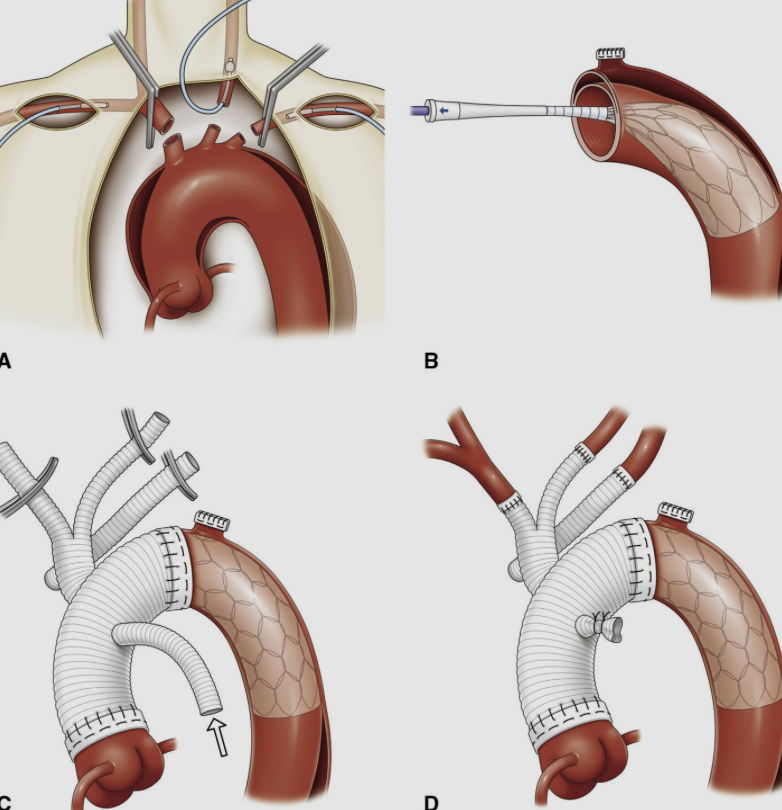
Complex Arch Reconstruction A variety of strategies can be employed to replace the arch, and tailored to the individual pathology and clinical condition of the patient, as shown above. It is possible to debranch sections of the aortic arch and replace those with trifurcated grafts. Each patient is different and Dr Babar Bashir CHAUDHRI can […]
Read more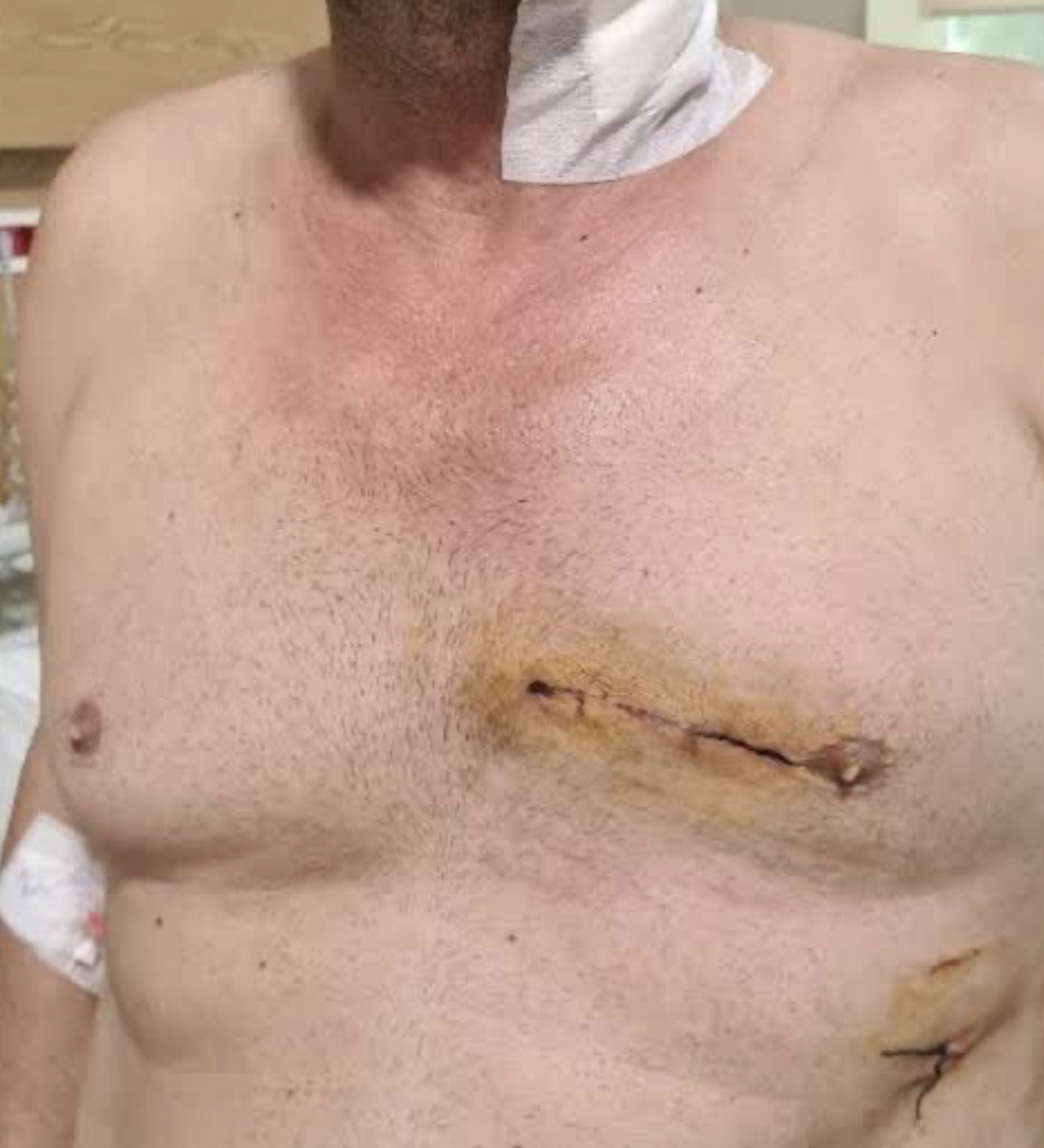
A number of minimally invasive surgical operations are available for our patients, to treat coronary artery disease and to repair heart valves. Dr Babar Bashir CHAUDHRI is establishing a robotic cardiac surgery program in Dubai in order to deliver this service. This is the future of cardiac surgery.
Read moreAspects to be considered by the Heart Team for decision-making between percutaneous coronary intervention and coronary artery bypass grafting among patients with stable multivessel and/or left main coronary artery disease. Revascularization with the use of coronary artery bypass grafting The superiority of CABG over a strategy of initial medical therapy was established in a meta-analysis […]
Read more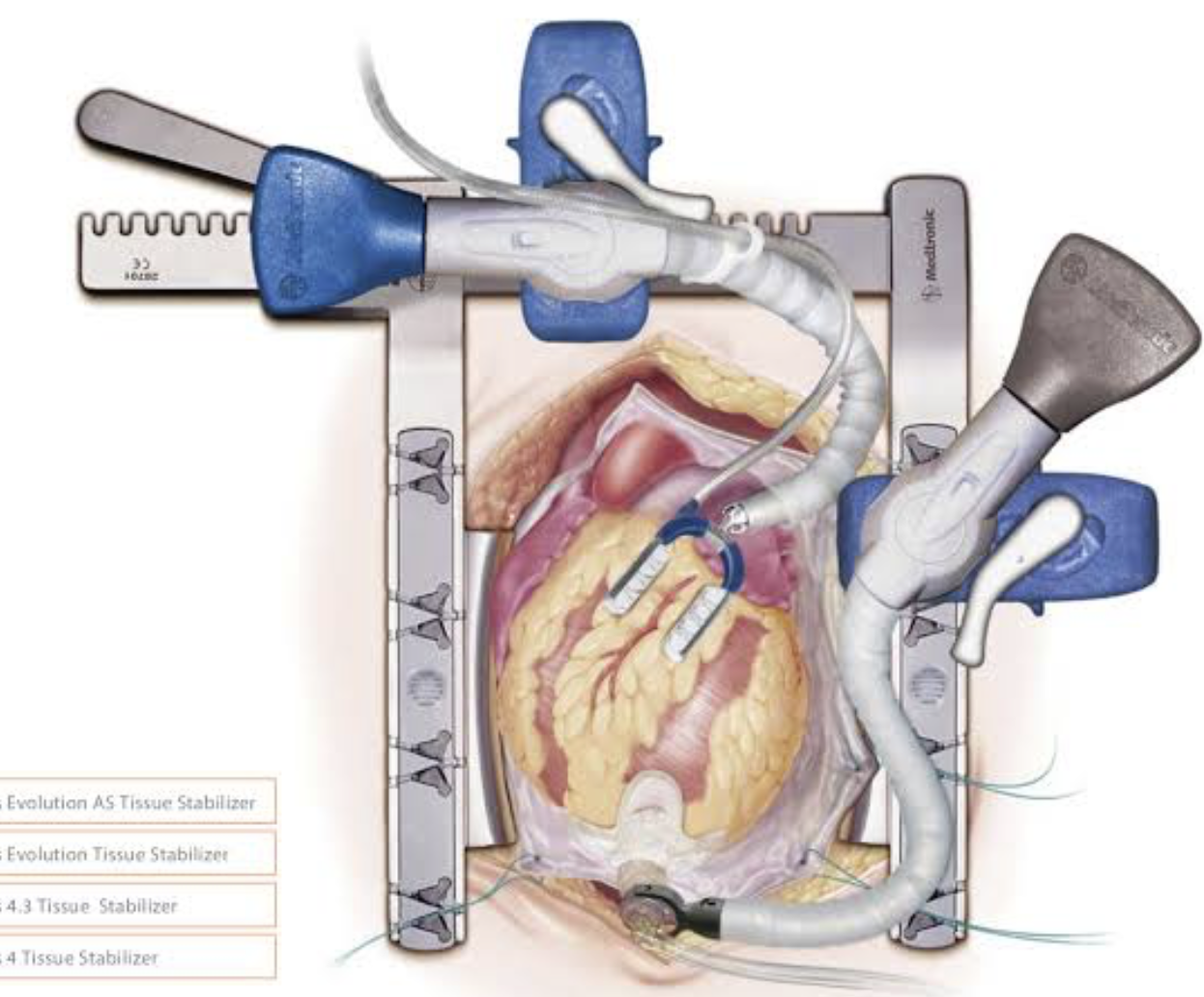
Dr Babar Bashir CHAUDHRI is an expert in beating heart coronary surgery. There are advantages and disadvantages to this technique and it has been shown to be superior in certain patients. Every patient is different and in some circumstances the heart lung machine may not be used. Under these circumstances off pump/ beating heart coronary […]
Read more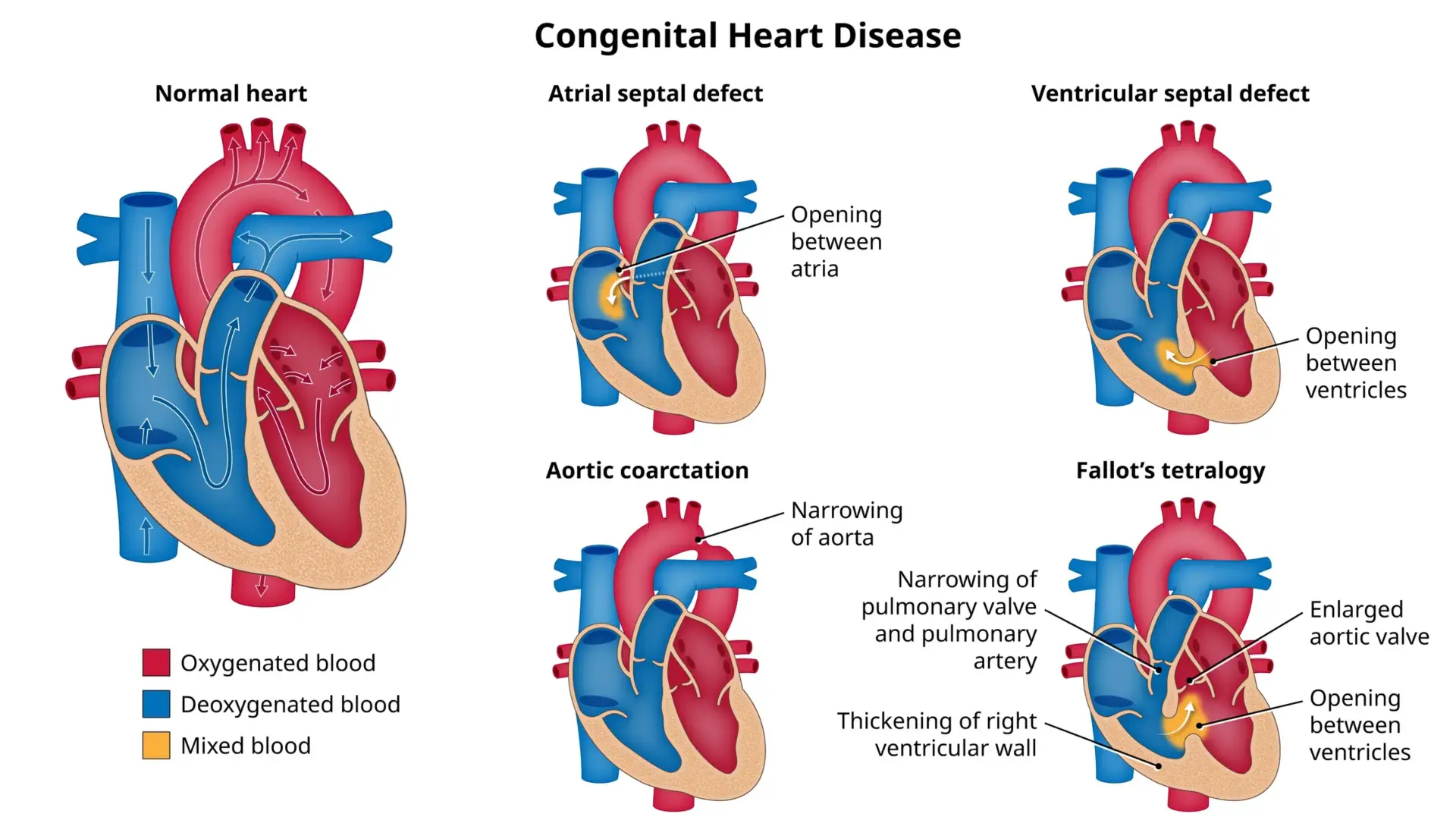
Dr Babar Bashir CHAUDHRI can repair intracardiac congenital defects such as atrial septal defects, ventricular septal defects, Tetralogy of Fallot and anomalous venous drainage among others.
Read more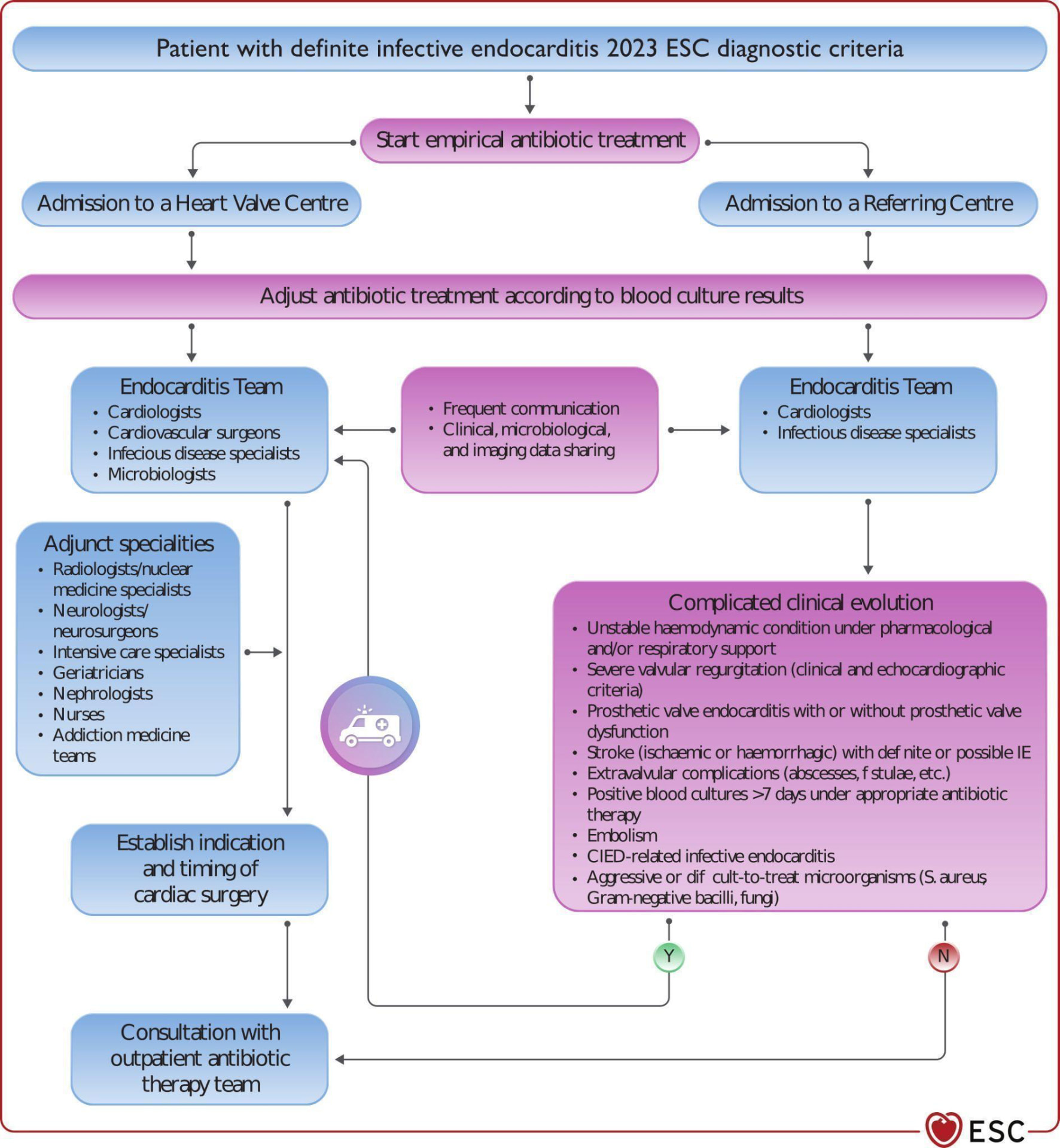
Infective endocarditis is an infection on the lining of a heart valve. When antibiotics alone are not enough, surgery removes the infected tissue and repairs or replaces the damaged valve.
Read moreDurable coronary revascularisation
Bypass grafting using only arteries — both internal thoracic arteries and the radial artery — as a durable alternative to multiple coronary stents in complex multivessel coronary artery disease.
56%
Lower hazard of death
60%
Lower hazard of heart attack
90%
Lower hazard of repeat procedures
Propensity-matched observational studies (Medicare 2026, 118,921 patients; Raja et al. 2015, 6,126 patients), not randomised trials of total arterial grafting specifically. Published study results, not individual surgeon outcomes.
Valve-sparing aortic root surgery
An aortic root aneurysm can progress silently until it causes severe aortic regurgitation, heart failure, acute Type A dissection, rupture or sudden death. Valve-sparing root replacement removes the diseased root and rebuilds it with a vascular graft whilst keeping the patient's own aortic valve, so a durable repair avoids lifelong anticoagulation and prosthetic valve degeneration whenever the leaflets are repairable.
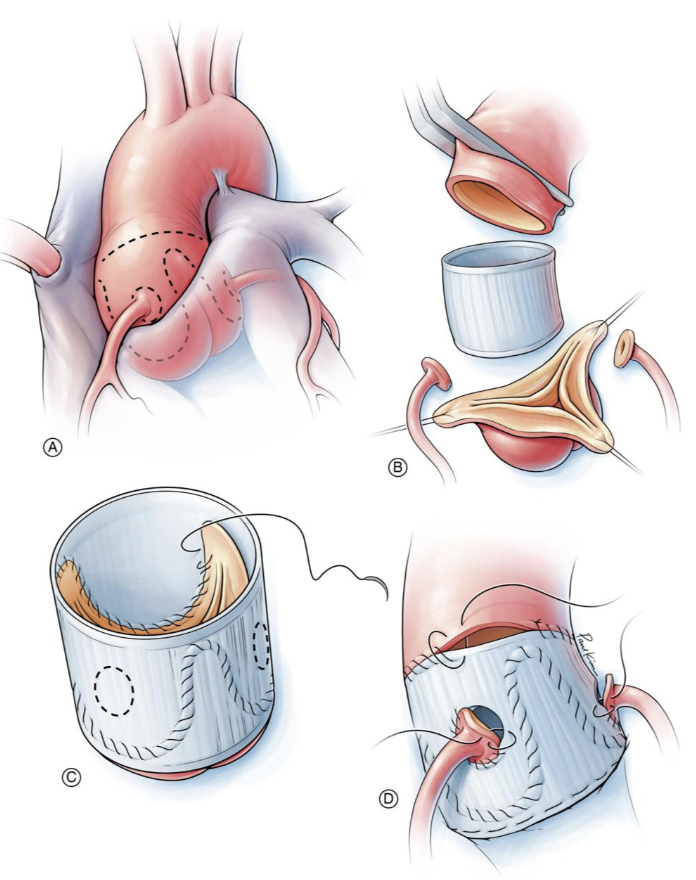
The David reimplantation procedure: the diseased root is excised, the native valve is reimplanted inside a synthetic graft that supports the leaflets and restores root geometry, and the coronary arteries are reimplanted into the graft.
Composite valve graft (Bentall) reference = 1.00. Lower is favourable.
Long-term mortality hazard
50% lower mortality hazard
Valve-related events (incidence rate ratios)
32% lower incidence rate associated with valve-sparing surgery
64% lower incidence rate associated with valve-sparing surgery
79% lower incidence rate associated with valve-sparing surgery
Mortality hazard: 2024 systematic review and meta-analysis of 14,651 patients from 39 observational studies (HR 0.50; 95% CI 0.45–0.57). Incidence rate ratios: 2020 meta-analysis of 26 observational studies, mean follow-up 5.8 years. This is observational evidence, not randomised evidence: differences in patient selection and residual confounding may contribute to the observed advantages. Published study results, not individual surgeon outcomes.
Progressive root enlargement may advance silently for years before complications develop.
Progressive aortic root enlargement
Valve and ventricular pathway
Aortic regurgitation
Failure of valve leaflet coaptation
Left ventricular volume overload
Progressive ventricular enlargement
Heart failure
Potential irreversible ventricular dysfunction
Aortic wall pathway
Aortic wall stress
Progressive structural vulnerability
Dissection or rupture
Acute aortic catastrophe
Sudden death
Potentially fatal emergency
Timely specialist assessment determines when surgery becomes appropriate, before irreversible ventricular damage or catastrophic aortic complications occur.
How the three operations differ in long-term valve-related consequences.
Swipe the table sideways to compare all columns
| Clinical characteristic | Valve-sparing root replacement | Mechanical Bentall | Biological Bentall |
|---|---|---|---|
| Native valve preservation | Yes | No | No |
| Replacement of aneurysmal root | Yes | Yes | Yes |
| Lifelong valve-related anticoagulation | Generally unnecessary | Required | Generally unnecessary |
| Anticoagulation-related bleeding | Lower | Higher | Lower |
| Prosthetic structural valve degeneration | Avoided | Uncommon | Recognised long-term risk |
| Recurrent native aortic regurgitation | Possible | Not applicable | Not applicable |
| Potential late valve reoperation | Yes | Yes | Yes |
| Physiological native valve function | Preserved | No | No |
| Technical complexity | High | Established | Established |
The benefits of valve preservation must be balanced against the possibility of recurrent aortic regurgitation. Some propensity-adjusted studies have demonstrated comparable survival between valve-sparing root replacement and Bentall procedures rather than superiority. Valve morphology, tissue quality, repair durability and surgeon expertise remain decisive.
Assessment includes detailed echocardiography, CT aortography or cardiac MRI, evaluation of ventricular function and analysis of native valve morphology. Intervention thresholds depend on aortic dimensions, growth rate, genetic diagnosis, family history and associated valve disease. Sudden severe chest or back pain, collapse or suspected acute dissection is an emergency: call 998 immediately.
Personal clinical results
| Time | Survival |
|---|---|
| 5 years | 99.0% (93.1–99.9) |
| 10 years | 99.0% (93.1–99.9) |
| 12 years | 97.2% (88.5–99.3) |
| 15 years | 94.5% (82.8–98.3) |
Patients in the registry
100
All-cause deaths
7 of 100
Censored at death
4 (trauma 1, malignancy 3)
Deaths analysed
3
Single-surgeon registry of 100 consecutive patients. Cause-specific survival excluding trauma and malignancy deaths; the confidence interval band is Greenwood log-log. Deaths from trauma and malignancy are censored at their date of death, so their follow-up is retained; removing those four patients entirely gives closely similar estimates (15-year survival 94.4%, 82.4–98.3). These are personal results from one surgeon's experience and are not directly comparable with published series, which include different patients, anatomy and risk profiles. Valve morphology, tissue quality, repair durability and surgeon expertise remain decisive.
Dr Babar Bashir Chaudhri is a British-trained consultant cardiac, thoracic and transplant surgeon with extensive specialist expertise in complex aortic reconstruction. He undertook advanced specialist training at Hannover Medical School (Medizinische Hochschule Hannover, MHH), Germany, an internationally recognised centre for complex aortic reconstruction and valve-preserving surgery. His surgical practice places particular emphasis on preserving the native aortic valve whenever technically feasible and clinically appropriate, including bicuspid aortic valve preservation, aortic valve repair and reconstruction, ascending aortic and arch replacement, complex redo aortic surgery and emergency surgery for acute Type A aortic dissection.
Scientific references: Long-term outcomes comparison of Bentall-De Bono versus valve-sparing aortic root replacement: an updated systematic review and reconstructed time-to-event meta-analysis, 2024 (PMID 39551099); Valve-Sparing Root Replacement Versus Composite Valve Grafting in Aortic Root Dilation: a meta-analysis, 2020 (PMID 31981499); Valve-sparing root replacement versus composite valve graft root replacement: analysis of more than 1,500 patients from two aortic centres, 2023 (PMID 37245627); 2022 ACC/AHA Guideline for the Diagnosis and Management of Aortic Disease (DOI 10.1161/CIR.0000000000001106).
Native valve reconstruction
Whenever a durable reconstruction is achievable, preserving the patient's own heart valves offers substantial lifetime advantages over artificial valve implantation: better long-term survival in degenerative mitral valve disease, preservation of ventricular geometry and physiological valve function, avoidance of the lifelong anticoagulation required by mechanical valves, and avoidance of the structural degeneration that affects biological valves. International guidelines favour mitral valve repair for suitable patients with severe primary degenerative mitral regurgitation whenever a durable reconstruction is expected.
MIDA international multicentre registry, 1,922 patients with severe degenerative mitral regurgitation and flail leaflets. Both comparisons P < 0.001.
Entire study population
Propensity-matched population
A 17-percentage-point absolute survival advantage at 20 years in matched patients — an estimated 1.71× survival ratio favouring repair. Observational registry evidence; residual confounding remains possible.
MIDA registry, Circulation 2017. Both comparisons P < 0.001.
Entire study population
Propensity-matched population
Bar lengths are scaled for visibility. The strongest evidence favouring repair over replacement applies to degenerative primary mitral regurgitation; secondary ischaemic mitral regurgitation requires a different assessment of repair durability and ventricular pathology.
A technically successful mitral valve reconstruction can remain functional for decades. Published series examining the durability of degenerative mitral valve repair report:
99.42%
30-day operative survival
90%
Freedom from reoperation at 20 years
78%
Freedom from reoperation or recurrent MR greater than grade 2+ at 20 years
58%
Overall survival at 20 years
A Canadian study published in 2026, involving 1,222 patients undergoing isolated degenerative mitral valve repair, confirmed excellent long-term freedom from reoperation: 97.6% at one year, 94.9% at five years and 88.2% at twenty years. Durability depends on the underlying valve pathology, the surgical reconstruction and the absence of significant residual regurgitation.
Tricuspid regurgitation frequently accompanies advanced mitral valve disease. Left unaddressed, it may progress to right ventricular dysfunction, peripheral oedema, ascites, hepatic congestion and advanced heart failure. A randomised clinical trial published in the New England Journal of Medicine demonstrated that concomitant tricuspid repair reduced the combined incidence of death, progression of tricuspid regurgitation or tricuspid reoperation from 10.2% to 3.9% at two years; progression of tricuspid regurgitation occurred in 0.6% of patients receiving concomitant repair compared with 6.1% following mitral surgery alone.
Concomitant repair increased the risk of permanent pacemaker implantation, which must be considered during individual treatment planning.
Fifteen-year outcomes following combined repair
A 2026 meta-analysis of 3,123 patients found concomitant tricuspid annuloplasty was associated with a 66% lower hazard of progression to moderate or severe tricuspid regurgitation. Estimated 15-year survival was 79.7% following combined repair versus 72.2% following isolated mitral repair — a difference that was not statistically significant. The principal established benefit is reduced progression of tricuspid regurgitation.
Swipe the table sideways to read all columns
| Publication | Principal finding |
|---|---|
| MIDA registry, Circulation, 2017 | Superior 20-year survival associated with mitral repair |
| Long-Term Results Following Repair for Degenerative Mitral Regurgitation | 90% freedom from reoperation at 20 years |
| Canadian 30-year institutional experience, JTCVS, 2026 | 88.2% freedom from reoperation at 20 years |
| Gammie et al., NEJM, 2022 | Randomised evidence supporting concomitant tricuspid repair |
| Poon et al., Heart Lung and Circulation, 2024 | Reduced progression of tricuspid regurgitation |
| Concomitant Tricuspid Annuloplasty: 2026 Meta-Analysis | Reduced TR progression with follow-up extending to 15 years |
All published outcome figures represent external clinical studies, not individual surgeon outcomes. Individual results depend on patient selection, valve pathology, operative risk and the durability of the surgical reconstruction.
Some patients with extensive calcification, rheumatic destruction or severe leaflet restriction require valve replacement. The objective remains a durable and competent valve — never preservation at the expense of an inadequate reconstruction.
Dr Babar Bashir Chaudhri is a British-trained consultant cardiac, thoracic and transplant surgeon with more than 30 years of clinical experience and specialist interests in complex cardiac valve reconstruction. His surgical philosophy emphasises preservation of the native heart valves whenever a durable repair is possible, including mitral valve reconstruction, artificial chordal replacement, complex bileaflet mitral valve repair, tricuspid ring annuloplasty, combined mitral and tricuspid valve reconstruction, concomitant coronary revascularisation and valve-sparing aortic root replacement.
Decades of scientific evidence
Major randomised trials continue to show important long-term advantages of bypass surgery over stents in appropriately selected patients — improved survival in certain populations, fewer heart attacks and fewer repeat coronary procedures.
SYNTAXES — 10-year mortality, triple-vessel disease
CABG 21%vsstents 28%
FREEDOM — 5-year death, MI or stroke (diabetes)
CABG 18.7%vsstents 26.6%
FAME 3 — 5-year myocardial infarction
CABG 5%vsstents 8%
FAME 3 — 5-year repeat revascularisation
CABG 8%vsstents 16%
Lower event rates are favourable. Trials involve different populations, endpoints and follow-up durations. Published trial results, not individual surgeon outcomes.
Mechanical Circulatory Support
Advanced heart failure means the heart can no longer maintain adequate circulation despite appropriate treatment. For selected patients, surgery can improve symptoms, functional capacity and survival. Early specialist referral matters, because options narrow once kidney or liver damage becomes irreversible.
The availability of LVAD implantation, ECMO and heart transplantation depends on the facilities, regulatory approvals, clinical privileges and multidisciplinary resources of the treating centre, and should be confirmed before treatment is planned.
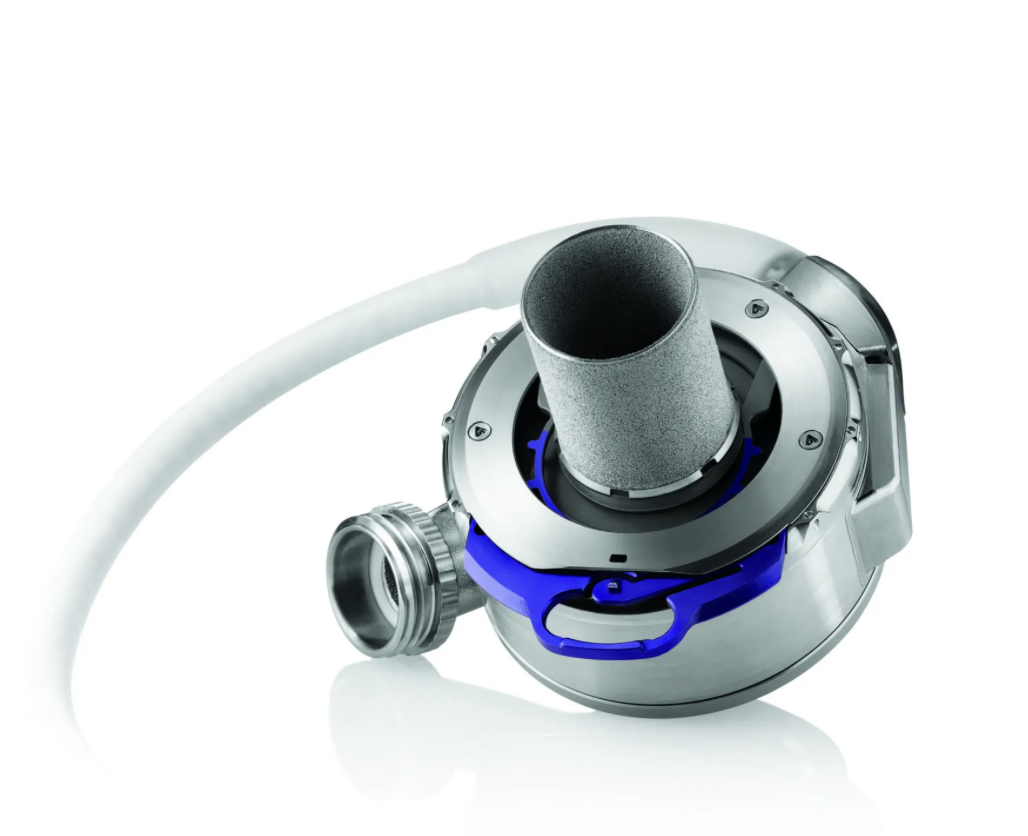
Reported median survival
7+ years
Reported five-year survival
60.2%
Median survival and 60.2% five-year survival are from Abbott's clinical evidence summary; the bars show MOMENTUM 3 outcomes summarised by the American College of Cardiology in 2025. These figures come from different analyses. Individual outcomes depend on clinical condition, right ventricular function and long-term specialist care.
Advanced heart failure
Despite guideline-directed medical and device therapy
Advanced heart failure MDT assessment
INTERMACS profile, RV function, organ function and transplant eligibility
Durable HeartMate 3 LVAD implantation
Selected patients suitable for an LVAD-first strategy
Haemodynamic stabilisation and rehabilitation
Improved systemic perfusion and potential recovery of organ function
Heart transplantation
When eligible and a donor becomes available
Continued LVAD
Durable long-term support
Myocardial recovery
Explantation in rare, selected cases
Sternum-sparing coronary surgery
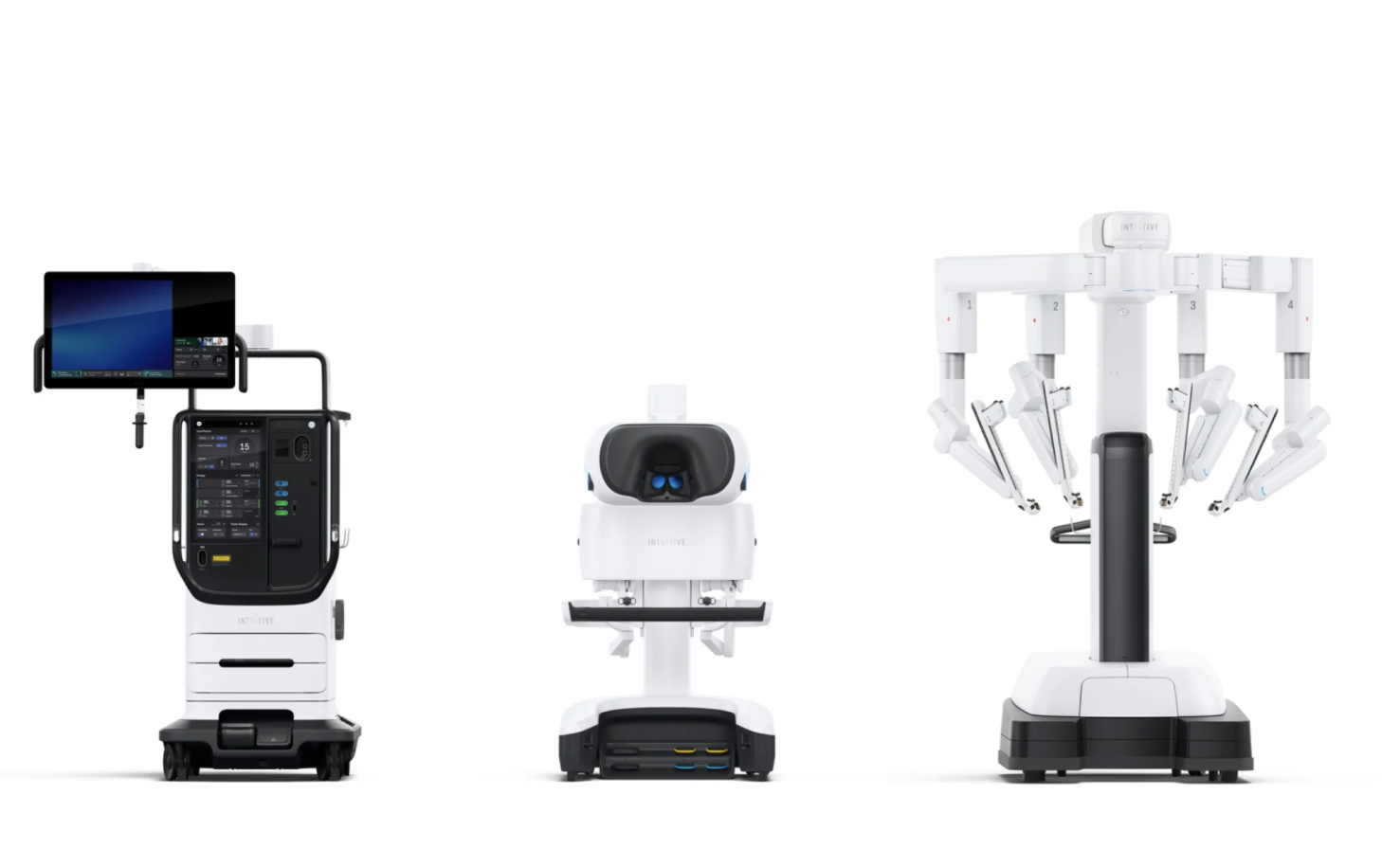
Total Coronary Revascularisation via Left Anterior Thoracotomy (TCRAT) allows multivessel coronary bypass through a small chest incision without dividing the breastbone. Robotic assistance can complement it, for example to harvest the internal thoracic arteries used as bypass grafts.
Patients studied
1,869
Short-term mortality
0.92%
Perioperative stroke
0.76%
Deep wound infection
0.15%
Systematic review in Perfusion (17 November 2026), seven cohorts. Pooled observational TCRAT outcomes, not results attributable to robotic assistance; they do not establish superiority or non-inferiority to conventional CABG.
Mean hospital stay
Conventional CABG
6.8 days
TCRAT
5.2 days
Mean return to work
Conventional CABG
Over 2 months
TCRAT
16 days
Single-centre observational study of 75 TCRAT and 75 conventional CABG patients (return to work among employed patients). A 2026 Klinikum Fulda review of 2,282 patients also reported encouraging outcomes. Individual recovery varies, and suitability and availability depend on the treating centre.
Aneurysms of the aortic root and ascending aorta, valve-sparing root replacement, arch surgery and emergency dissection repair.
Coronary bypass grafting, choosing between bypass and stents, beating-heart surgery and sternum-sparing approaches.
Repair of the mitral, tricuspid and aortic valves, valve replacement when repair is not durable, and surgery for valve infection.
Assessment for advanced therapies, LVADs including HeartMate 3, temporary support such as ECMO, and heart transplantation.
Appointments & referrals
Arrange a consultation or send a referral so your diagnosis, records and treatment options can be reviewed.