
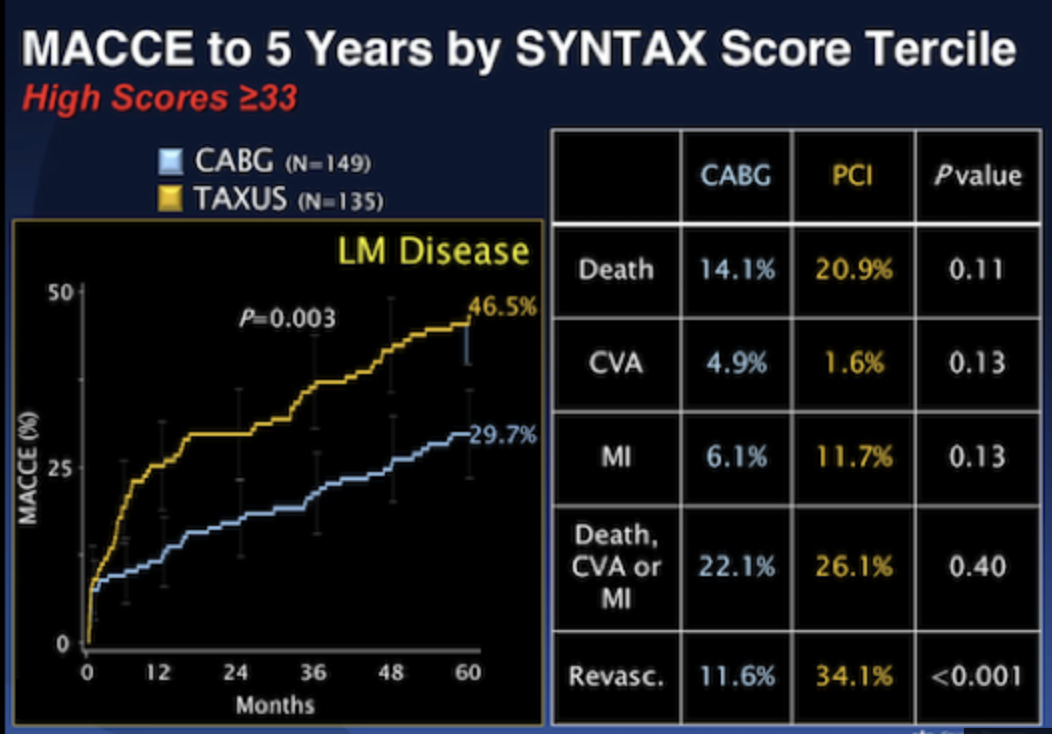
Patients diagnosed with coronary artery disease are often offered two forms of revascularisation: coronary artery bypass grafting (CABG) or percutaneous coronary intervention (PCI), commonly called coronary stenting. Both can relieve angina and improve blood flow to the heart, but long-term outcomes differ according to the extent and complexity of coronary disease, diabetes and left ventricular function. These distinctions are supported by ESC/EACTS and ACC/AHA guidelines.
Coronary artery bypass grafting uses blood vessels from the chest, arm or leg to create alternative pathways for blood to reach the heart muscle beyond significant obstructions. The left internal thoracic artery is commonly grafted to the LAD because of its favourable long-term durability. Other grafts include the right internal thoracic artery, radial artery and saphenous vein.
Percutaneous coronary intervention uses catheters, balloons and usually drug-eluting stents to open narrowed arteries. It avoids major surgery, generally involves a shorter initial recovery, is particularly effective for suitable focal lesions and plays a critical role in acute myocardial infarction.
Why can bypass surgery provide greater long-term protection? A stent treats a specific diseased segment. A bypass graft delivers blood beyond a significant obstruction and can bypass a longer section of disease — particularly important in extensive, diffuse or complex atherosclerosis. CABG can reduce spontaneous myocardial infarction and repeat revascularisation in selected populations. Both treatments require continuing preventive medication and risk-factor management.