Cardiac, thoracic and transplant surgery in the UAE

Excellent, 4.99 out of 5 from 117 patient reviews. Read verified reviews on Doctify.

Emergency advice

Patients with severe or ongoing chest pain, suspected heart attack, collapse or acute cardiovascular instability should seek immediate emergency medical attention.

In an emergency call 998.

Treatment information

TCRAT and Robotically Assisted Coronary Bypass Surgery in Dubai

The short answer

TCRAT (Total Coronary Revascularisation via Left Anterior Thoracotomy) allows selected patients to have multiple coronary bypass grafts through a small incision between the ribs, without dividing the breastbone. Robotic assistance can be added to harvest the internal thoracic arteries through small ports. Both aim to keep the established principles of CABG while reducing surgical trauma; suitability depends on your anatomy and general health.

Key terms explained

TCRAT
Total Coronary Revascularisation via Left Anterior Thoracotomy: multiple bypass grafts through a small incision between the ribs on the left side.
Thoracotomy
An incision between the ribs, used instead of dividing the breastbone.
Sternotomy
The conventional incision that divides the breastbone to reach the heart.
Robotic-assisted CABG
Bypass surgery in which the surgeon uses robotic instruments for some steps, such as harvesting the chest-wall arteries.
TECAB
Totally endoscopic coronary artery bypass: bypass performed entirely through ports, without a thoracotomy.
Internal thoracic artery
An artery inside the chest wall, widely used as a long-lasting bypass graft.

About total coronary revascularisation via left anterior thoracotomy (TCRAT)

Coronary artery bypass grafting (CABG) is an established treatment for significant coronary artery disease. Traditionally it is performed through a median sternotomy, which divides the breastbone to access the heart. Advances in minimally invasive cardiac surgery now allow selected patients to undergo coronary bypass through smaller incisions between the ribs.

TCRAT is a minimally invasive technique developed to permit multivessel coronary bypass through a small incision on the left side of the chest. It was described by Oleksandr Babliak and colleagues in Kyiv, Ukraine. The established technique generally uses cardiopulmonary bypass and cardioplegic cardiac arrest, so grafts are constructed in a controlled operative field. Specialised manoeuvres give access to the anterior, lateral and inferior surfaces of the heart, permitting revascularisation of multiple coronary territories without routinely dividing the sternum.

Robotically assisted coronary bypass uses a surgical robotic system for selected stages of the operation. The surgeon controls articulated instruments from a console with magnified three-dimensional vision. A key use is harvesting the internal thoracic arteries from inside the chest; these arteries are favoured bypass conduits because of their long-term performance. The grafts may then be connected through a limited thoracotomy or, in selected programmes, a totally endoscopic approach. The robot operates under the direct control of the surgeon and does not independently perform the operation.

The availability of TCRAT and robotic coronary procedures depends on the hospital's established programme, equipment, multidisciplinary team and surgeon privileges. Individual techniques should be confirmed as available before treatment is scheduled.

TCRAT, robotic-assisted CABG and totally endoscopic robotic CABG (TECAB) are different things. TCRAT is defined by its access through a left anterior thoracotomy and does not require a robot. Robotic-assisted CABG uses the robot for selected stages, most often internal thoracic artery harvesting, with the grafts sewn through a small thoracotomy. TECAB performs both harvesting and graft construction endoscopically through ports, and is offered only in selected specialist programmes.

When is treatment recommended?

Suitability depends on a detailed assessment of coronary anatomy and general health. Potential candidates include selected patients with:

  • Multivessel coronary artery disease requiring CABG.
  • Suitable coronary target vessels.
  • A clinical indication for surgical rather than catheter-based revascularisation.
  • Anatomy permitting safe minimally invasive access.
  • Suitable peripheral vessels when peripheral cannulation is planned.
  • A preference for a sternum-sparing approach after understanding the alternatives.

Factors that may influence suitability include severe peripheral vascular disease, extensive aortic calcification, previous thoracic surgery, significant pulmonary disease, anatomical limitations and the need for additional cardiac procedures. Conventional CABG may remain the safest or most appropriate option for some patients.

Diagnostic investigations

Preoperative assessment commonly includes:

  • Coronary angiography.
  • Transthoracic echocardiography.
  • CT assessment of the chest, aorta and peripheral vasculature when indicated.
  • Evaluation of left ventricular function.
  • Renal function and routine blood investigations.
  • Assessment of diabetes and other comorbidities.
  • Pulmonary assessment where appropriate.
  • Formal surgical risk assessment.

A multidisciplinary Heart Team should determine whether CABG, PCI or continued medical therapy is most appropriate before the surgical access technique is selected.

Treatment options

The aim of TCRAT is effective coronary revascularisation while avoiding the skeletal disruption of a median sternotomy. The choice of surgical approach should never compromise the quality or completeness of revascularisation.

Published TCRAT series show that multivessel revascularisation through a left anterior thoracotomy is feasible, with access to the left anterior descending artery, circumflex branches and selected right coronary targets. The number of grafts depends on the coronary anatomy, the quality of the target vessels and the planned strategy. The incision should not determine which coronary arteries receive treatment; complete revascularisation remains a central objective whenever clinically appropriate.

Comparing the options

FeatureConventional CABGTCRATRobotic-assisted CABG
Surgical accessMedian sternotomyLeft anterior minithoracotomyRobotic ports plus a limited thoracotomy, or totally endoscopic (TECAB) in selected programmes
SternumDividedPreservedPreserved
Multiple coronary graftsYesYes, in suitable patientsOften one or two grafts; more in selected programmes or combined strategies
Cardiopulmonary bypassOften usedGenerally used in established TCRATVaries; often performed on the beating heart
Cardiac arrestCommon in on-pump CABGGenerally usedOften not used
Internal thoracic artery graftsYesYesYes, harvested robotically
Radial / saphenous vein graftsYesYesPossible, depending on strategy
Robot requiredNoNoYes
Long-term evidenceExtensiveDevelopingDeveloping

Operative techniques

TCRAT is performed under general anaesthesia. A small incision is made in the left anterior chest, commonly through the fourth intercostal space. Cardiopulmonary bypass is established, often through peripheral vascular cannulation. The aorta is cross-clamped and cardioplegia given to protect the heart while the grafts are constructed. The coronary arteries are exposed with specialised positioning and traction techniques, and grafts are placed beyond their significant obstructions using the internal thoracic arteries, radial artery and saphenous vein according to the plan.

Robotic assistance may be incorporated into a TCRAT-based strategy:

  • Robotic harvesting of the left internal thoracic artery.
  • Robotic harvesting of the right internal thoracic artery when indicated.
  • A limited left anterior thoracotomy.
  • Cardiopulmonary bypass and cardioplegic arrest.
  • Coronary graft construction using the planned arterial and venous conduits.
  • Assessment of graft flow and completion of the operation.

Robotic-assisted TCRAT remains an evolving technique; its availability and outcomes depend on the experience of the surgical team and the maturity of the programme.

Benefits, limitations and complications

Benefits

  • Preservation of the sternum, avoiding complications of breastbone division and healing.
  • Smaller surgical incisions.
  • Potentially faster functional recovery and earlier mobilisation (varies by patient).
  • Sternal infection and dehiscence are avoided.
  • Robotic harvesting may facilitate internal thoracic artery grafting through small incisions.
  • Multivessel bypass in appropriately selected patients.

Limitations

  • Greater operative complexity and procedural duration.
  • Requires suitable vascular access for peripheral cannulation.
  • Long-term comparative evidence is limited; most data are observational.
  • Thoracotomy discomfort and respiratory recovery remain important.
  • Not suitable for every patient; conventional CABG may be safer for some.

Possible complications

TCRAT and robotic coronary bypass remain major cardiac operations. Potential complications include:

  • Bleeding and transfusion.
  • Myocardial infarction.
  • Stroke.
  • Arrhythmias.
  • Infection.
  • Acute kidney injury.
  • Peripheral vascular complications related to cannulation.
  • Thoracotomy pain or intercostal nerve injury.
  • Graft dysfunction or failure.
  • Conversion to sternotomy when required for safety.
  • Death.

Recovery depends on the patient's condition, the number of grafts, the technique and any complications. Early mobilisation, appropriate analgesia, cardiac rehabilitation and secondary prevention are essential. Long-term treatment generally includes antiplatelet therapy, lipid lowering, blood pressure control, diabetes management where appropriate, smoking cessation and exercise rehabilitation.

Guideline recommendations

TCRAT has been evaluated in several observational series. Babliak and colleagues reported an initial series of 170 patients with a mean of approximately 3.1 grafts per patient; a subsequent series of 521 patients reported about three distal anastomoses per patient. A 2026 systematic review and single-arm meta-analysis of seven cohorts (1,869 patients) reported a pooled short-term mortality estimate of 0.92% and a pooled stroke estimate of 0.76%.

These results are encouraging but require careful interpretation. Differences in patient selection, technique, surgical experience and outcome reporting limit direct comparison with conventional CABG, and the pooled figures do not prove that TCRAT is safer or more effective. Long-term graft patency, survival, freedom from repeat revascularisation and comparative recovery require further study.

The decision between CABG, PCI and medical therapy should be made by a multidisciplinary Heart Team before the access technique is chosen.

Frequently asked questions

References

  1. Babliak O et al. Complete Coronary Revascularization via Left Anterior Thoracotomy. Innovations. 2019;14:330–341
  2. Babliak O et al. Multivessel minimally invasive on-pump direct coronary artery revascularization. Journal of Visualized Surgery. 2023;9:2
  3. Demirkıran T et al. Total coronary revascularization via left anterior thoracotomy: comparison of early- and mid-term results with conventional surgery. Turkish Journal of Thoracic and Cardiovascular Surgery. 2024;32:402–411
  4. Demianenko V, Dörge H, Sellin C. The TCRAT Technique: Renaissance in Minimally Invasive On-Pump Multivessel Coronary Artery Bypass Grafting? Journal of Cardiovascular Development and Disease. 2026;13:28
  5. Abu Hantash N et al. Perioperative outcomes after total coronary revascularization via left anterior thoracotomy: a systematic review and single-arm meta-analysis. Perfusion. 2026
All coronary surgery topics

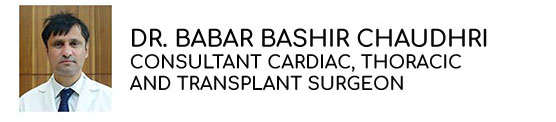
Your surgeon: Dr Babar Bashir Chaudhri

Consultant Cardiac, Thoracic and Transplant Surgeon, King’s College Hospital London, Dubai

BA, MB, BChir, MA (Cantab), MD (London), FRCS Eng, FRCP Edin, FRCS CTh, FACS, CCT UK Cardiothoracic Surgery

Years of experience in coronary surgery
30+

Years of experience in coronary surgery

Dr Babar Bashir Chaudhri is a British-trained consultant cardiothoracic surgeon with more than 30 years of experience in coronary surgery. His established expertise includes:

  • Conventional coronary artery bypass grafting.
  • Off-pump coronary revascularisation.
  • Internal thoracic and radial artery grafting.
  • Complex multivessel coronary disease.
  • Reoperative cardiac surgery.
  • Multidisciplinary coronary revascularisation planning.

His professional development includes advanced minimally invasive coronary surgery training and an interest in integrating robotic technology with established coronary bypass techniques. His approach prioritises durable revascularisation, appropriate conduit selection, patient safety and careful selection of the surgical technique.

A specialist review can address whether CABG is preferable to PCI, whether arterial grafting is appropriate, whether conventional or off-pump CABG is preferable, and whether a minimally invasive, TCRAT or robotic-assisted approach is feasible and available. Useful documents include the coronary angiogram, echocardiography report, current medication list and relevant correspondence.

Clinical experience and outcomes

Specific robotic and TCRAT procedural availability should be confirmed with the treating hospital before treatment is arranged.

Full profile

Non-emergency opinions and referrals

For survivors, residual aortic disease or a second opinion. Suspected acute emergencies must call 998 and use hospital emergency pathways.

Related treatments

Coronary Artery Surgery- CABG/Off Pump Coronary Artery Surgery and PCI (Stents)

Aspects to be considered by the Heart Team for decision-making between percutaneous coronary intervention and coronary artery bypass grafting among patients with stable multivessel and/or left main coronary artery disease. Revascularization with the use of coronary artery bypass grafting The superiority of CABG over a strategy of initial medical therapy was established in a meta-analysis […]

SYNTAX Trial. Why You Should Have Coronary Artery Surgery

The most important trial of CABG versus PCI is the SYNTAX Trial. SYNTAX was a trial in patients with multi-vessel and/or left main stem disease. SYNTAX also had a database called a nested parallel registry that looked at outcomes in 1,078 patients who were deemed ineligible for randomisation for the SYNTAX study. Over 80% of […]

Minimally Invasive Surgery

A number of minimally invasive surgical operations are available for our patients, to treat coronary artery disease and to repair heart valves. Dr Babar Bashir CHAUDHRI is establishing a robotic cardiac surgery program in Dubai in order to deliver this service. This is the future of cardiac surgery.

Robotic Cardiac Surgery

Robotic cardiac surgery is heart surgery done through very small cuts in the chest. With the use of tiny instruments and robot-controlled tools, Dr Babar Bashir CHAUDHRI is able to do heart surgery in a much less invasive way than conventional open-heart surgery. Robotic surgeries have been used for a number of different heart-related procedures, […]

Beating Heart Coronary Surgery (Off Pump Coronary Artery Surgery/ OPCAB)

Dr Babar Bashir CHAUDHRI is an expert in beating heart coronary surgery. There are advantages and disadvantages to this technique and it has been shown to be superior in certain patients. Every patient is different and in some circumstances the heart lung machine may not be used. Under these circumstances off pump/ beating heart coronary […]

Coronary Bypass Surgery versus Stents: When Is CABG the Better Choice?

When is coronary bypass surgery better than stents? Compare CABG and PCI for triple-vessel disease, diabetes, left main disease and low ejection fraction.

Appointments & referrals

Discuss this treatment with the practice

Contact the practice to arrange a consultation, request a second opinion or ask about a referral.