
Cardiac · Thoracic · Transplant surgery in DubaiQuality, Safety, ExcellenceCardiac Surgery Carefully Designed Around Your Needs
Dr Babar Bashir Chaudhri provides cardiac and thoracic surgical care carefully tailored to the needs, requirements and choices of each patient.
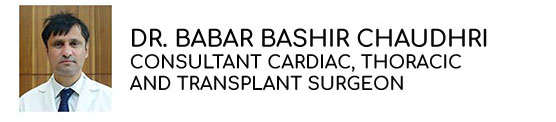
Dr Babar Bashir Chaudhri
Cardiac and Transplant Surgeon
BA, MB, BChir, MA (Cantab), MD (London), FRCS Eng, FRCP Edin, FRCS CTh, FACS, CCT UK Cardiothoracic Surgery
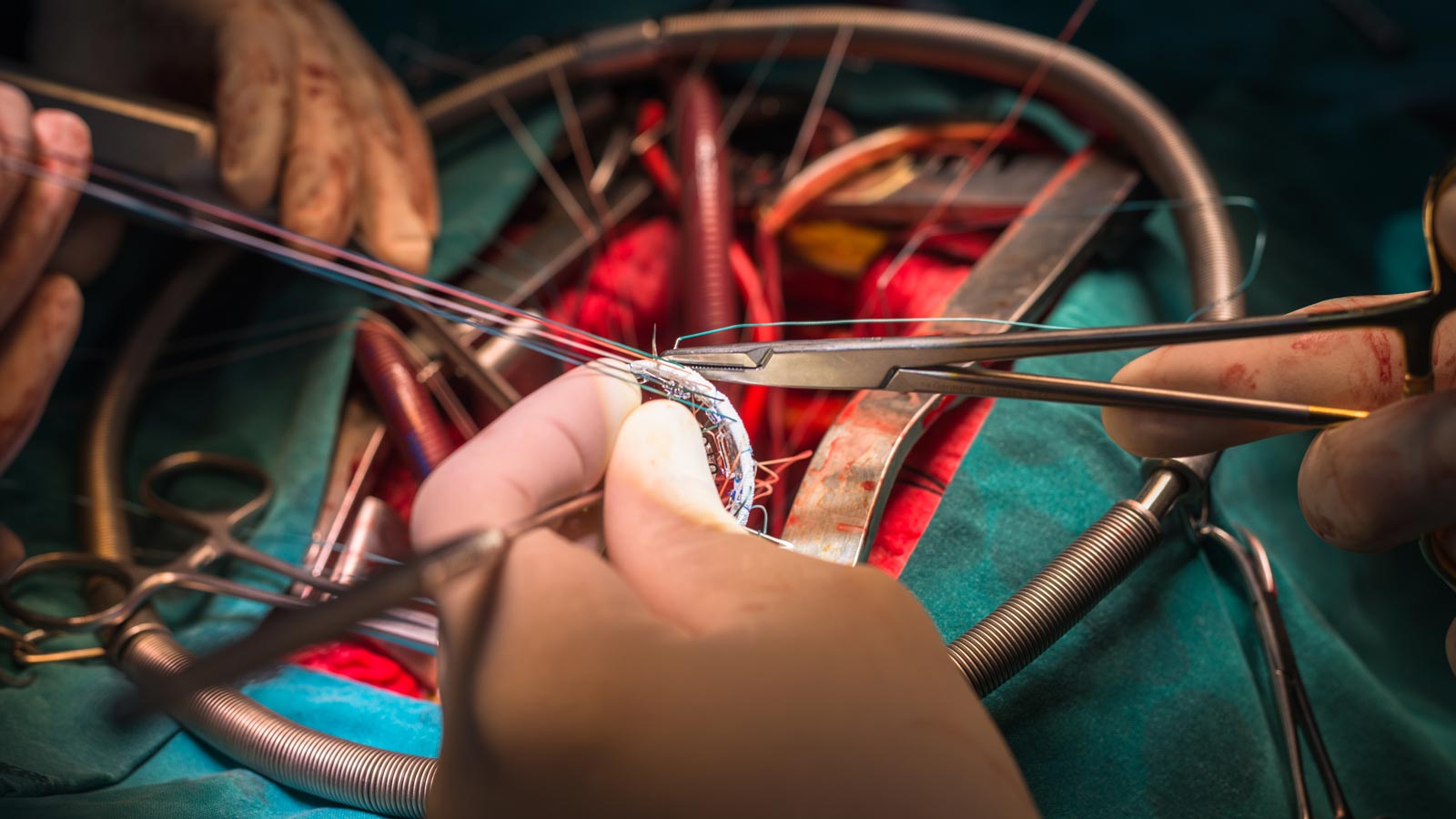
A coordinated surgical journey
From records review and consultation to surgery and follow-up.

Leading Edge Cardiac Surgery. Expert in Minimal Access Cardiac Surgery

Expert in Emergency and Complex Cardiac Surgery
Specialist procedures
Areas of surgical focus
Valve Sparing Aortic Root Replacement
Aortic root surgery that keeps your own valve.
View treatmentCoronary Artery Surgery
Bypass grafting for coronary artery disease, including beating-heart techniques.
View treatmentTotal Arterial Coronary Bypass
Bypass grafting using only arteries for long-term durability.
View treatmentLVADs
Mechanical circulatory support for heart failure.
View treatmentMitral Valve Repair
Repair of a leaking mitral valve where repair is suitable.
View treatmentEmergency Repair of Type A Aortic Dissection
Immediate surgery for a tear in the main artery from the heart.
View treatmentSurgery for Endocarditis
Treatment of an infection on a heart valve when antibiotics alone are not enough.
View treatmentSpecialist topic areas
Aortic surgery
Aneurysms of the aortic root and ascending aorta, valve-sparing root replacement, arch surgery and emergency dissection repair.
- Surgery of the aortic root, ascending aorta and arch
- When an enlarged aortic root or ascending aorta needs surgery
- Valve-sparing aortic root replacement
- Acute Type A aortic dissection: why immediate surgery matters
- Surgery for Type A aortic dissection
- Aortic arch surgery and complex aortic reconstruction
Coronary surgery
Coronary bypass grafting, choosing between bypass and stents, beating-heart surgery and sternum-sparing approaches.
- Coronary bypass surgery (CABG) explained
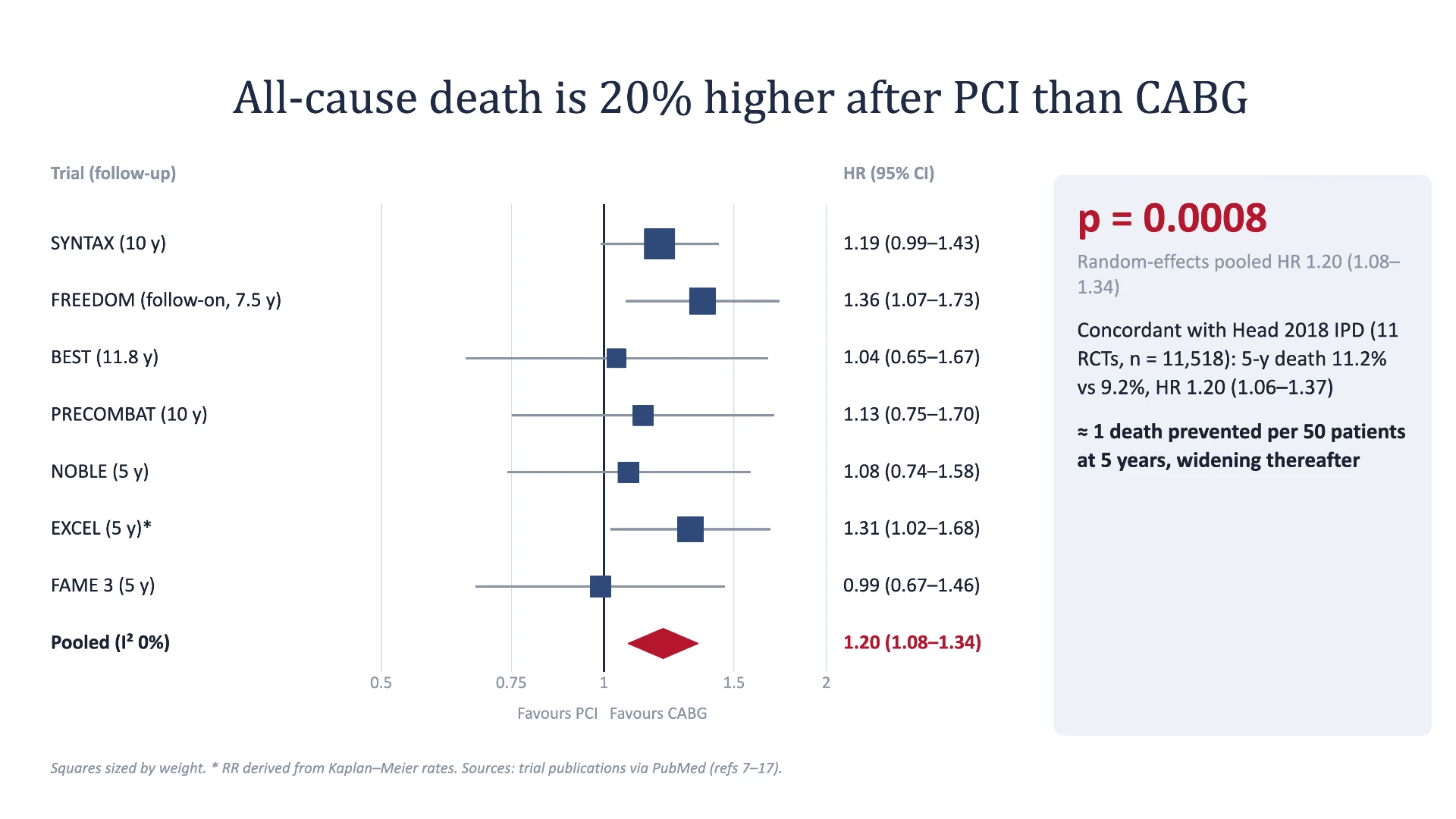
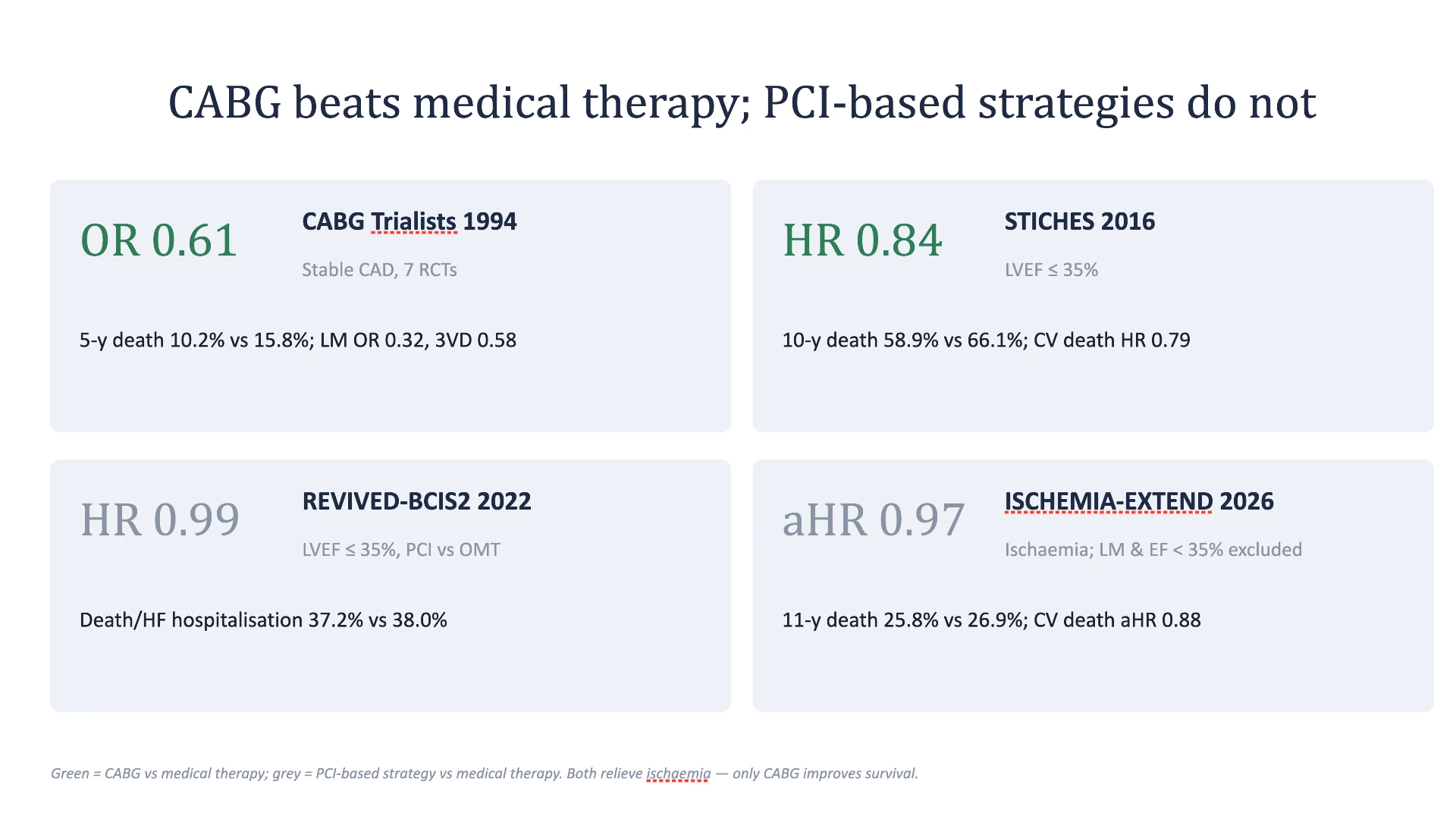
- CABG versus stents: when bypass surgery is better
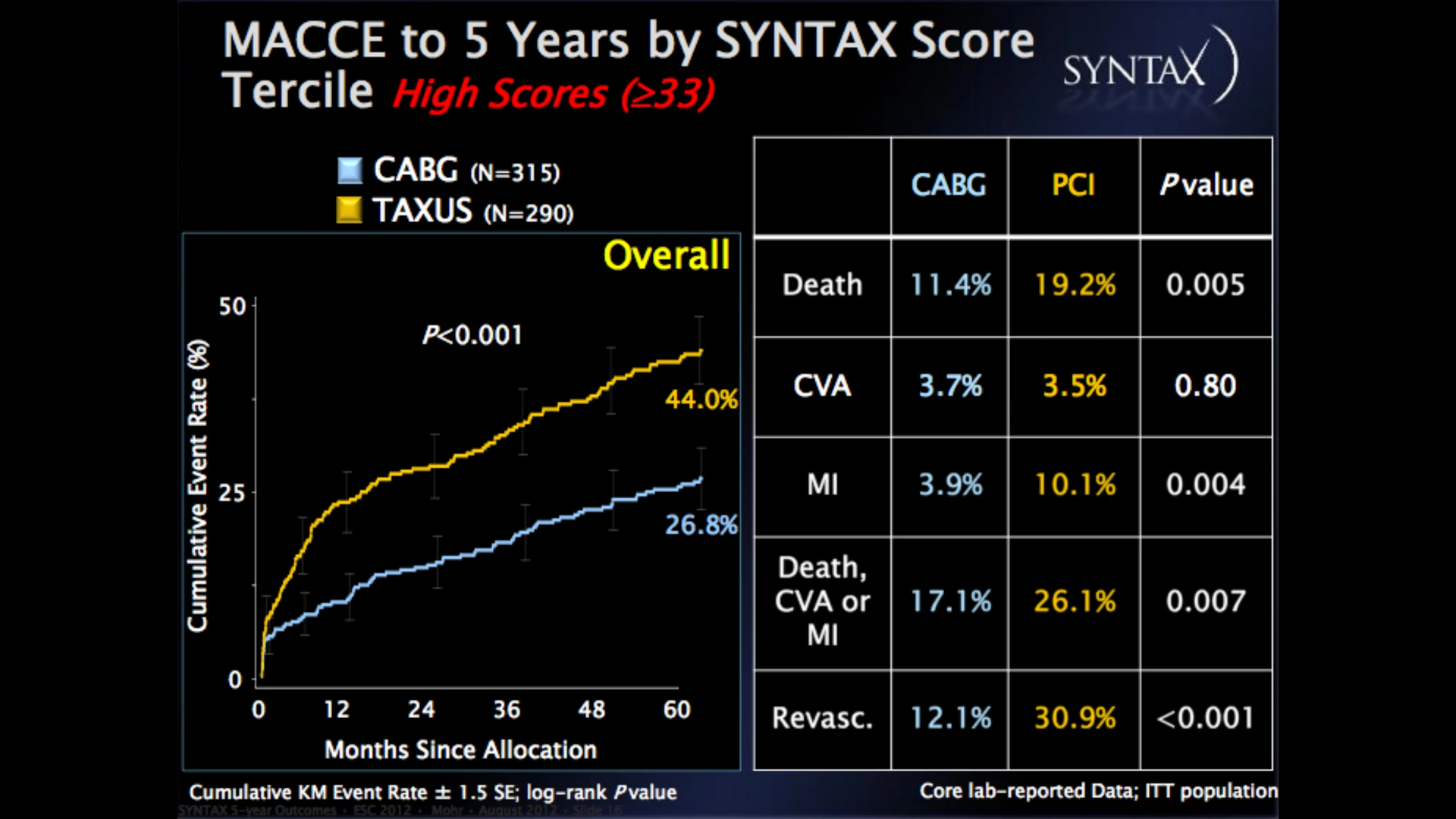
- What the SYNTAX trial shows about bypass and stents
- Coronary bypass surgery for people with diabetes
- Off-pump (beating-heart) coronary bypass
- On-pump or off-pump CABG?
- Total arterial coronary bypass surgery
- TCRAT and robotic-assisted coronary bypass
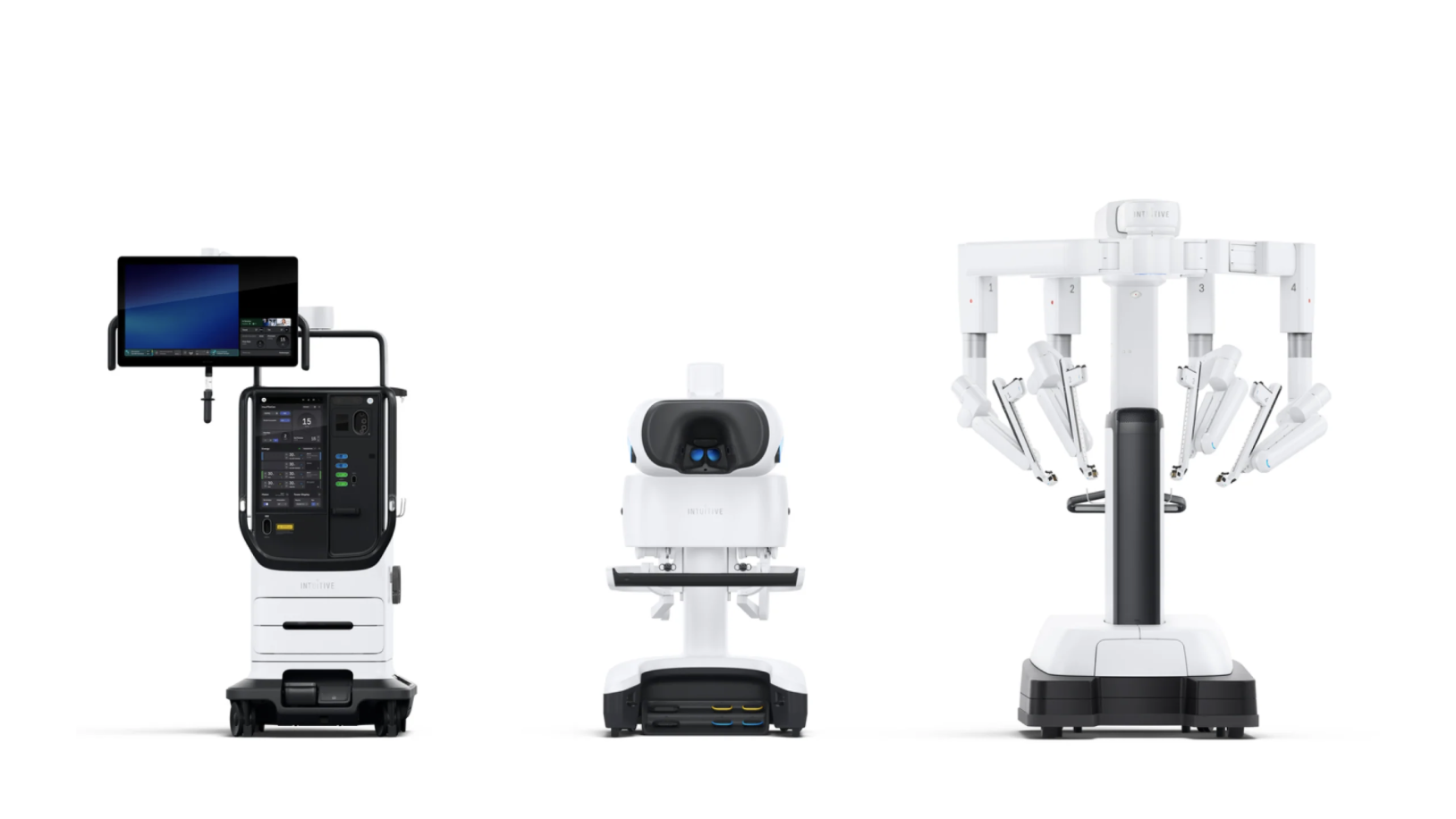
- Robotic cardiac surgery
Valve surgery
Repair of the mitral, tricuspid and aortic valves, valve replacement when repair is not durable, and surgery for valve infection.
Advanced heart failure
Assessment for advanced therapies, LVADs including HeartMate 3, temporary support such as ECMO, and heart transplantation.
Dubai
King’s College Hospital Dubai
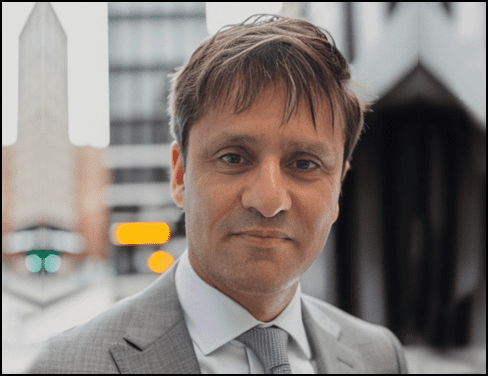
Your surgeon
Dr Babar Bashir Chaudhri
Cardiac and Transplant Surgeon
Dr Babar Bashir Chaudhri studied Medicine at the University of Cambridge and has been in clinical practice since 1992. He underwent training in cardiac and thoracic surgery in London and Scotland, followed by specialist fellowships in the UK and Germany.
Coronary artery and valve surgery
Aortic root, arch and ascending aorta surgery
Heart and lung transplantation
Mechanical circulatory support for heart failure
Durable coronary revascularisation
Total Arterial Coronary Bypass Surgery
Bypass grafting using only arteries — both internal thoracic arteries and the radial artery — as a durable alternative to multiple coronary stents in complex multivessel coronary artery disease.
CABG versus multivessel stenting — six-year outcomes
56%
Lower hazard of death
60%
Lower hazard of heart attack
90%
Lower hazard of repeat procedures
Late mortality after stents vs multiple arterial CABGHR 1.53
Repeat revascularisation after stents vs multiple arterial CABGHR 3.51
Propensity-matched observational studies (Medicare 2026, 118,921 patients; Raja et al. 2015, 6,126 patients), not randomised trials of total arterial grafting specifically. Published study results, not individual surgeon outcomes.
Decades of scientific evidence
Coronary Bypass Surgery: Superior Long-Term Outcomes in Complex Multivessel Coronary Disease
Major randomised trials continue to show important long-term advantages of bypass surgery over stents in appropriately selected patients — improved survival in certain populations, fewer heart attacks and fewer repeat coronary procedures.
Landmark randomised trials: CABG vs stents
SYNTAXES — 10-year mortality, triple-vessel disease
CABG 21%vsstents 28%
FREEDOM — 5-year death, MI or stroke (diabetes)
CABG 18.7%vsstents 26.6%
FAME 3 — 5-year myocardial infarction
CABG 5%vsstents 8%
FAME 3 — 5-year repeat revascularisation
CABG 8%vsstents 16%
Lower event rates are favourable. Trials involve different populations, endpoints and follow-up durations. Published trial results, not individual surgeon outcomes.
Valve-sparing aortic root surgery
Valve-Sparing Aortic Root Replacement: Preserving the Native Aortic Valve
An aortic root aneurysm can progress silently until it causes severe aortic regurgitation, heart failure, acute Type A dissection, rupture or sudden death. Valve-sparing root replacement removes the diseased root and rebuilds it with a vascular graft whilst keeping the patient's own aortic valve, so a durable repair avoids lifelong anticoagulation and prosthetic valve degeneration whenever the leaflets are repairable.
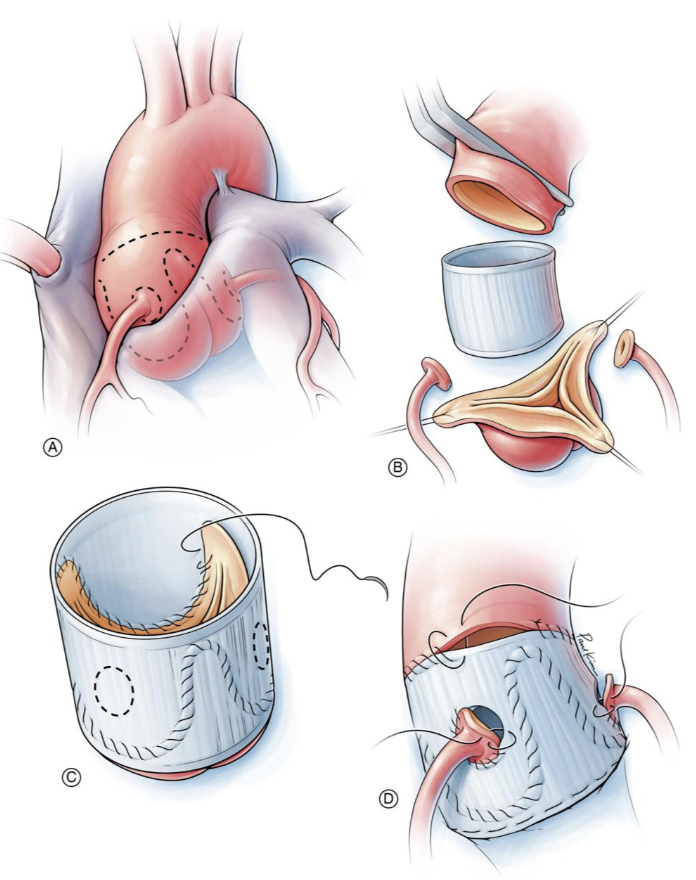
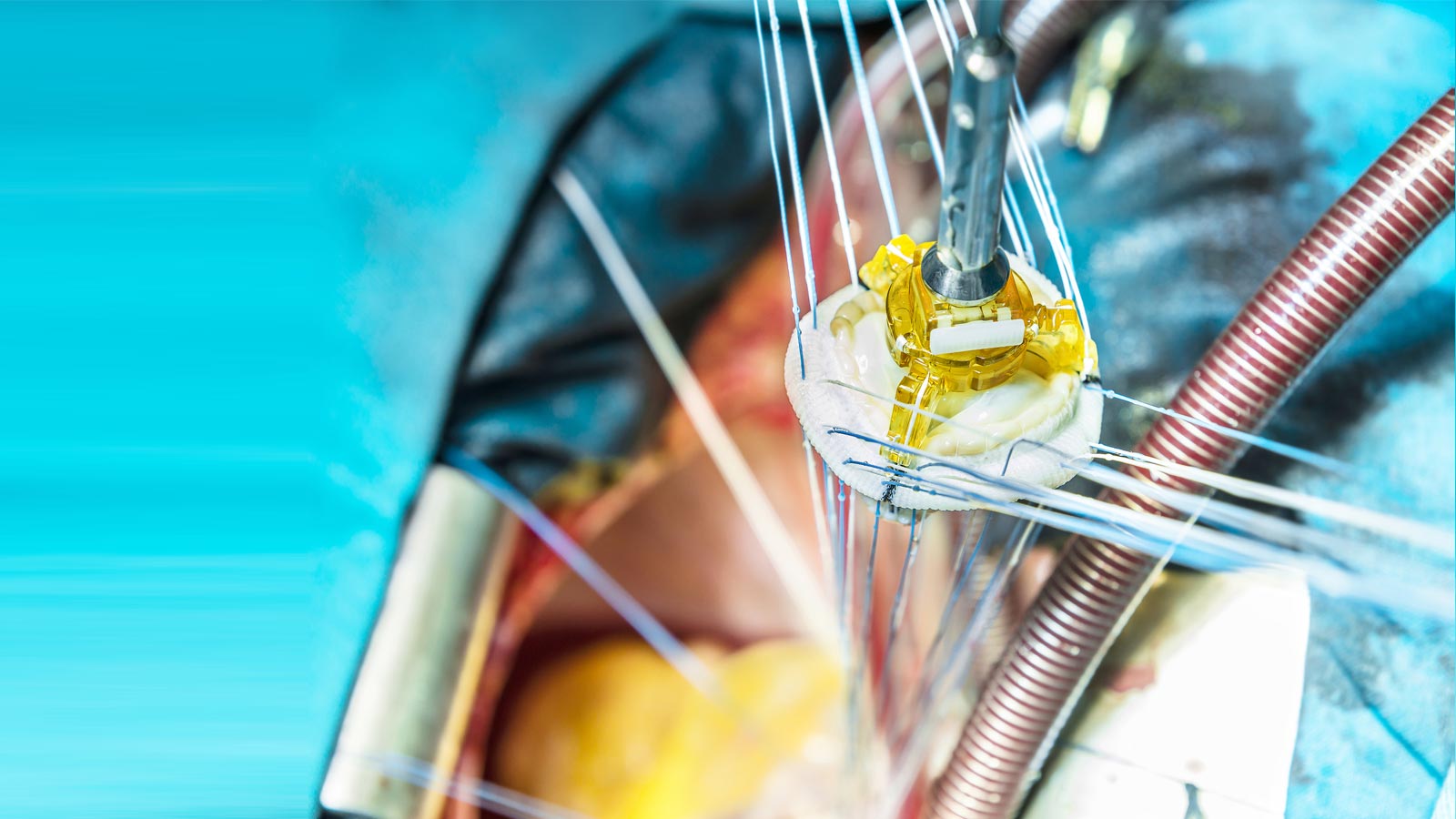
The David reimplantation procedure: the diseased root is excised, the native valve is reimplanted inside a synthetic graft that supports the leaflets and restores root geometry, and the coronary arteries are reimplanted into the graft.
Long-term outcomes: valve-sparing versus composite valve graft
Composite valve graft (Bentall) reference = 1.00. Lower is favourable.
Long-term mortality hazard
Valve-sparing
0.50
Bentall graft
1.00
50% lower mortality hazard
Valve-related events (incidence rate ratios)
Late mortality
0.68
32% lower incidence rate associated with valve-sparing surgery
Thromboembolism or stroke
0.36
64% lower incidence rate associated with valve-sparing surgery
Late bleeding
0.21
79% lower incidence rate associated with valve-sparing surgery
Mortality hazard: 2024 systematic review and meta-analysis of 14,651 patients from 39 observational studies (HR 0.50; 95% CI 0.45–0.57). Incidence rate ratios: 2020 meta-analysis of 26 observational studies, mean follow-up 5.8 years. This is observational evidence, not randomised evidence: differences in patient selection and residual confounding may contribute to the observed advantages. Published study results, not individual surgeon outcomes.
Natural history of aortic root dilatation
Progressive root enlargement may advance silently for years before complications develop.
Progressive aortic root enlargement
Valve and ventricular pathway
Aortic regurgitation
Failure of valve leaflet coaptation
Left ventricular volume overload
Progressive ventricular enlargement
Heart failure
Potential irreversible ventricular dysfunction
Aortic wall pathway
Aortic wall stress
Progressive structural vulnerability
Dissection or rupture
Acute aortic catastrophe
Sudden death
Potentially fatal emergency
Timely specialist assessment determines when surgery becomes appropriate, before irreversible ventricular damage or catastrophic aortic complications occur.
Valve preservation versus Bentall root replacement
How the three operations differ in long-term valve-related consequences.
Swipe the table sideways to compare all columns
| Clinical characteristic | Valve-sparing root replacement | Mechanical Bentall | Biological Bentall |
|---|---|---|---|
| Native valve preservation | Yes | No | No |
| Replacement of aneurysmal root | Yes | Yes | Yes |
| Lifelong valve-related anticoagulation | Generally unnecessary | Required | Generally unnecessary |
| Anticoagulation-related bleeding | Lower | Higher | Lower |
| Prosthetic structural valve degeneration | Avoided | Uncommon | Recognised long-term risk |
| Recurrent native aortic regurgitation | Possible | Not applicable | Not applicable |
| Potential late valve reoperation | Yes | Yes | Yes |
| Physiological native valve function | Preserved | No | No |
| Technical complexity | High | Established | Established |
The benefits of valve preservation must be balanced against the possibility of recurrent aortic regurgitation. Some propensity-adjusted studies have demonstrated comparable survival between valve-sparing root replacement and Bentall procedures rather than superiority. Valve morphology, tissue quality, repair durability and surgeon expertise remain decisive.
Who should seek a specialist valve-sparing opinion
- Aortic root aneurysm.
- Dilated aortic root with moderate or severe aortic regurgitation.
- Bicuspid aortic valve with aortic root enlargement.
- Marfan syndrome and other heritable aortic disorders.
- Familial thoracic aortic aneurysm.
- Progressive aortic enlargement on serial imaging.
- Significant aortic regurgitation with repairable valve leaflets.
- Patients advised to undergo composite aortic root and valve replacement.
Assessment includes detailed echocardiography, CT aortography or cardiac MRI, evaluation of ventricular function and analysis of native valve morphology. Intervention thresholds depend on aortic dimensions, growth rate, genetic diagnosis, family history and associated valve disease. Sudden severe chest or back pain, collapse or suspected acute dissection is an emergency: call 998 immediately.
Personal clinical results
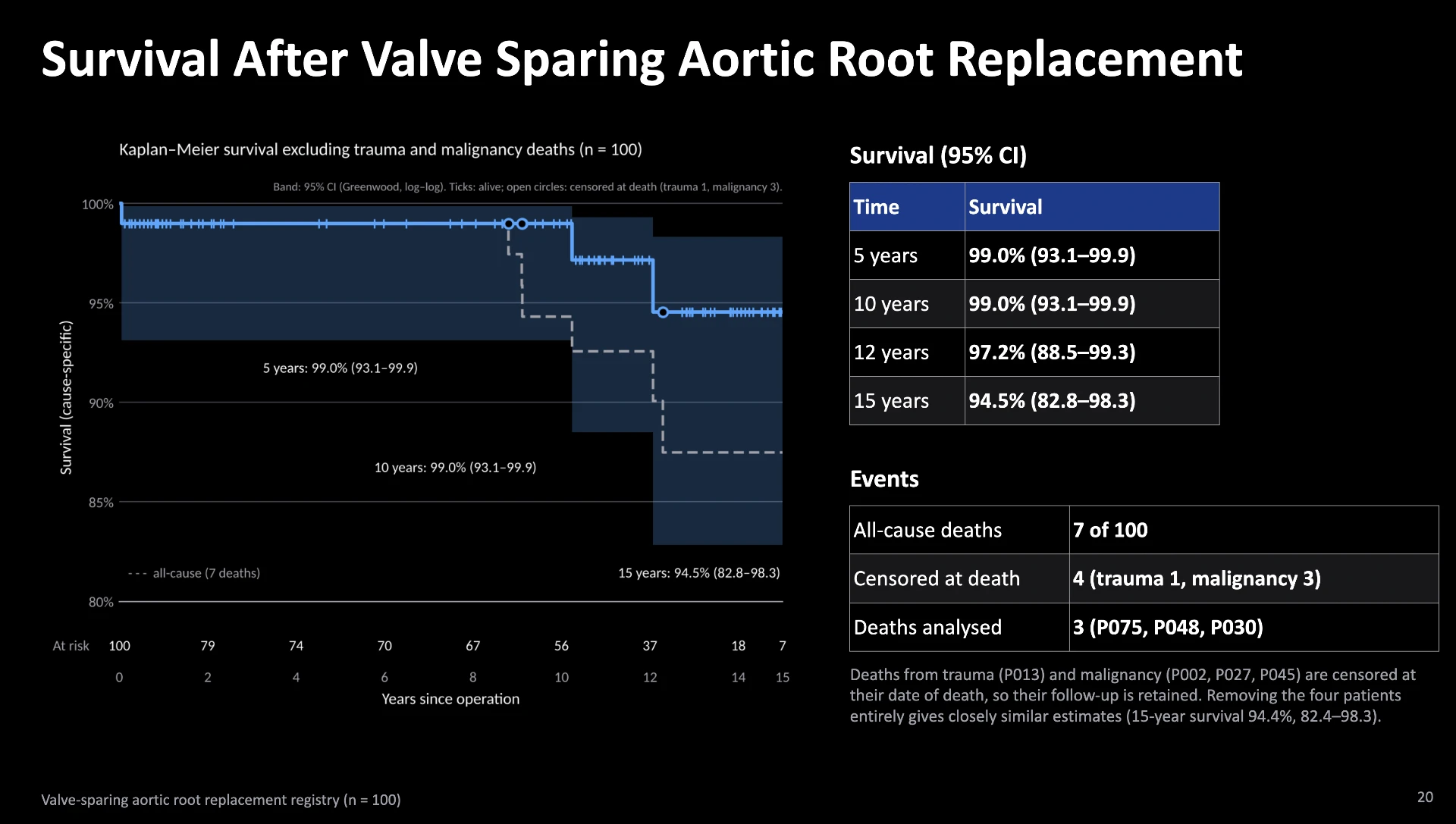
15 years of personal surgical experience in valve-sparing aortic root replacement
Survival (95% confidence interval)
| Time | Survival |
|---|---|
| 5 years | 99.0% (93.1–99.9) |
| 10 years | 99.0% (93.1–99.9) |
| 12 years | 97.2% (88.5–99.3) |
| 15 years | 94.5% (82.8–98.3) |
Events
Patients in the registry
100
All-cause deaths
7 of 100
Censored at death
4 (trauma 1, malignancy 3)
Deaths analysed
3
Patients at risk by year
yr 0: 100yr 2: 79yr 4: 74yr 6: 70yr 8: 67yr 10: 56yr 12: 37yr 14: 18yr 15: 7
Single-surgeon registry of 100 consecutive patients. Cause-specific survival excluding trauma and malignancy deaths; the confidence interval band is Greenwood log-log. Deaths from trauma and malignancy are censored at their date of death, so their follow-up is retained; removing those four patients entirely gives closely similar estimates (15-year survival 94.4%, 82.4–98.3). These are personal results from one surgeon's experience and are not directly comparable with published series, which include different patients, anatomy and risk profiles. Valve morphology, tissue quality, repair durability and surgeon expertise remain decisive.
Specialist expertise in valve-sparing aortic root surgery
Dr Babar Bashir Chaudhri is a British-trained consultant cardiac, thoracic and transplant surgeon with extensive specialist expertise in complex aortic reconstruction. He undertook advanced specialist training at Hannover Medical School (Medizinische Hochschule Hannover, MHH), Germany, an internationally recognised centre for complex aortic reconstruction and valve-preserving surgery. His surgical practice places particular emphasis on preserving the native aortic valve whenever technically feasible and clinically appropriate, including bicuspid aortic valve preservation, aortic valve repair and reconstruction, ascending aortic and arch replacement, complex redo aortic surgery and emergency surgery for acute Type A aortic dissection.
Scientific references: Long-term outcomes comparison of Bentall-De Bono versus valve-sparing aortic root replacement: an updated systematic review and reconstructed time-to-event meta-analysis, 2024 (PMID 39551099); Valve-Sparing Root Replacement Versus Composite Valve Grafting in Aortic Root Dilation: a meta-analysis, 2020 (PMID 31981499); Valve-sparing root replacement versus composite valve graft root replacement: analysis of more than 1,500 patients from two aortic centres, 2023 (PMID 37245627); 2022 ACC/AHA Guideline for the Diagnosis and Management of Aortic Disease (DOI 10.1161/CIR.0000000000001106).
Native valve reconstruction
Mitral and Tricuspid Valve Repair: Preserving the Native Heart Valves
Whenever a durable reconstruction is achievable, preserving the patient's own heart valves offers substantial lifetime advantages over artificial valve implantation: better long-term survival in degenerative mitral valve disease, preservation of ventricular geometry and physiological valve function, avoidance of the lifelong anticoagulation required by mechanical valves, and avoidance of the structural degeneration that affects biological valves. International guidelines favour mitral valve repair for suitable patients with severe primary degenerative mitral regurgitation whenever a durable reconstruction is expected.
20-year survival: mitral valve repair versus replacement
MIDA international multicentre registry, 1,922 patients with severe degenerative mitral regurgitation and flail leaflets. Both comparisons P < 0.001.
Entire study population
Repair
46%
Replacement
23%
Propensity-matched population
Repair
41%
Replacement
24%
A 17-percentage-point absolute survival advantage at 20 years in matched patients — an estimated 1.71× survival ratio favouring repair. Observational registry evidence; residual confounding remains possible.
Operative mortality: repair versus replacement
MIDA registry, Circulation 2017. Both comparisons P < 0.001.
Entire study population
Repair
1.3%
Replacement
4.7%
Propensity-matched population
Repair
0.2%
Replacement
4.4%
Bar lengths are scaled for visibility. The strongest evidence favouring repair over replacement applies to degenerative primary mitral regurgitation; secondary ischaemic mitral regurgitation requires a different assessment of repair durability and ventricular pathology.
Durability of mitral valve repair over 20 years
A technically successful mitral valve reconstruction can remain functional for decades. Published series examining the durability of degenerative mitral valve repair report:
99.42%
30-day operative survival
90%
Freedom from reoperation at 20 years
78%
Freedom from reoperation or recurrent MR greater than grade 2+ at 20 years
58%
Overall survival at 20 years
A Canadian study published in 2026, involving 1,222 patients undergoing isolated degenerative mitral valve repair, confirmed excellent long-term freedom from reoperation: 97.6% at one year, 94.9% at five years and 88.2% at twenty years. Durability depends on the underlying valve pathology, the surgical reconstruction and the absence of significant residual regurgitation.
The importance of tricuspid valve repair
Tricuspid regurgitation frequently accompanies advanced mitral valve disease. Left unaddressed, it may progress to right ventricular dysfunction, peripheral oedema, ascites, hepatic congestion and advanced heart failure. A randomised clinical trial published in the New England Journal of Medicine demonstrated that concomitant tricuspid repair reduced the combined incidence of death, progression of tricuspid regurgitation or tricuspid reoperation from 10.2% to 3.9% at two years; progression of tricuspid regurgitation occurred in 0.6% of patients receiving concomitant repair compared with 6.1% following mitral surgery alone.
Concomitant repair increased the risk of permanent pacemaker implantation, which must be considered during individual treatment planning.
Fifteen-year outcomes following combined repair
A 2026 meta-analysis of 3,123 patients found concomitant tricuspid annuloplasty was associated with a 66% lower hazard of progression to moderate or severe tricuspid regurgitation. Estimated 15-year survival was 79.7% following combined repair versus 72.2% following isolated mitral repair — a difference that was not statistically significant. The principal established benefit is reduced progression of tricuspid regurgitation.
Scientific references
Swipe the table sideways to read all columns
| Publication | Principal finding |
|---|---|
| MIDA registry, Circulation, 2017 | Superior 20-year survival associated with mitral repair |
| Long-Term Results Following Repair for Degenerative Mitral Regurgitation | 90% freedom from reoperation at 20 years |
| Canadian 30-year institutional experience, JTCVS, 2026 | 88.2% freedom from reoperation at 20 years |
| Gammie et al., NEJM, 2022 | Randomised evidence supporting concomitant tricuspid repair |
| Poon et al., Heart Lung and Circulation, 2024 | Reduced progression of tricuspid regurgitation |
| Concomitant Tricuspid Annuloplasty: 2026 Meta-Analysis | Reduced TR progression with follow-up extending to 15 years |
All published outcome figures represent external clinical studies, not individual surgeon outcomes. Individual results depend on patient selection, valve pathology, operative risk and the durability of the surgical reconstruction.
Who should seek a specialist valve repair opinion
- Degenerative mitral regurgitation and mitral valve prolapse.
- Flail mitral valve leaflets and Barlow's disease.
- Fibroelastic deficiency and selected rheumatic mitral valve disease.
- Selected secondary mitral regurgitation.
- Tricuspid annular dilatation and functional tricuspid regurgitation.
- Combined mitral and tricuspid valve insufficiency.
- Patients advised to undergo valve replacement who wish to know whether repair is feasible.
Some patients with extensive calcification, rheumatic destruction or severe leaflet restriction require valve replacement. The objective remains a durable and competent valve — never preservation at the expense of an inadequate reconstruction.
Specialist expertise in reconstructive valve surgery
Dr Babar Bashir Chaudhri is a British-trained consultant cardiac, thoracic and transplant surgeon with more than 30 years of clinical experience and specialist interests in complex cardiac valve reconstruction. His surgical philosophy emphasises preservation of the native heart valves whenever a durable repair is possible, including mitral valve reconstruction, artificial chordal replacement, complex bileaflet mitral valve repair, tricuspid ring annuloplasty, combined mitral and tricuspid valve reconstruction, concomitant coronary revascularisation and valve-sparing aortic root replacement.
Mechanical Circulatory Support
LVADs and Advanced Heart Failure
Advanced heart failure means the heart can no longer maintain adequate circulation despite appropriate treatment. For selected patients, surgery can improve symptoms, functional capacity and survival. Early specialist referral matters, because options narrow once kidney or liver damage becomes irreversible.
What support may be considered
- Coronary artery bypass surgery where coronary disease and reduced pumping function are both present.
- Heart valve repair, replacement or a transcatheter procedure when valve disease is contributing.
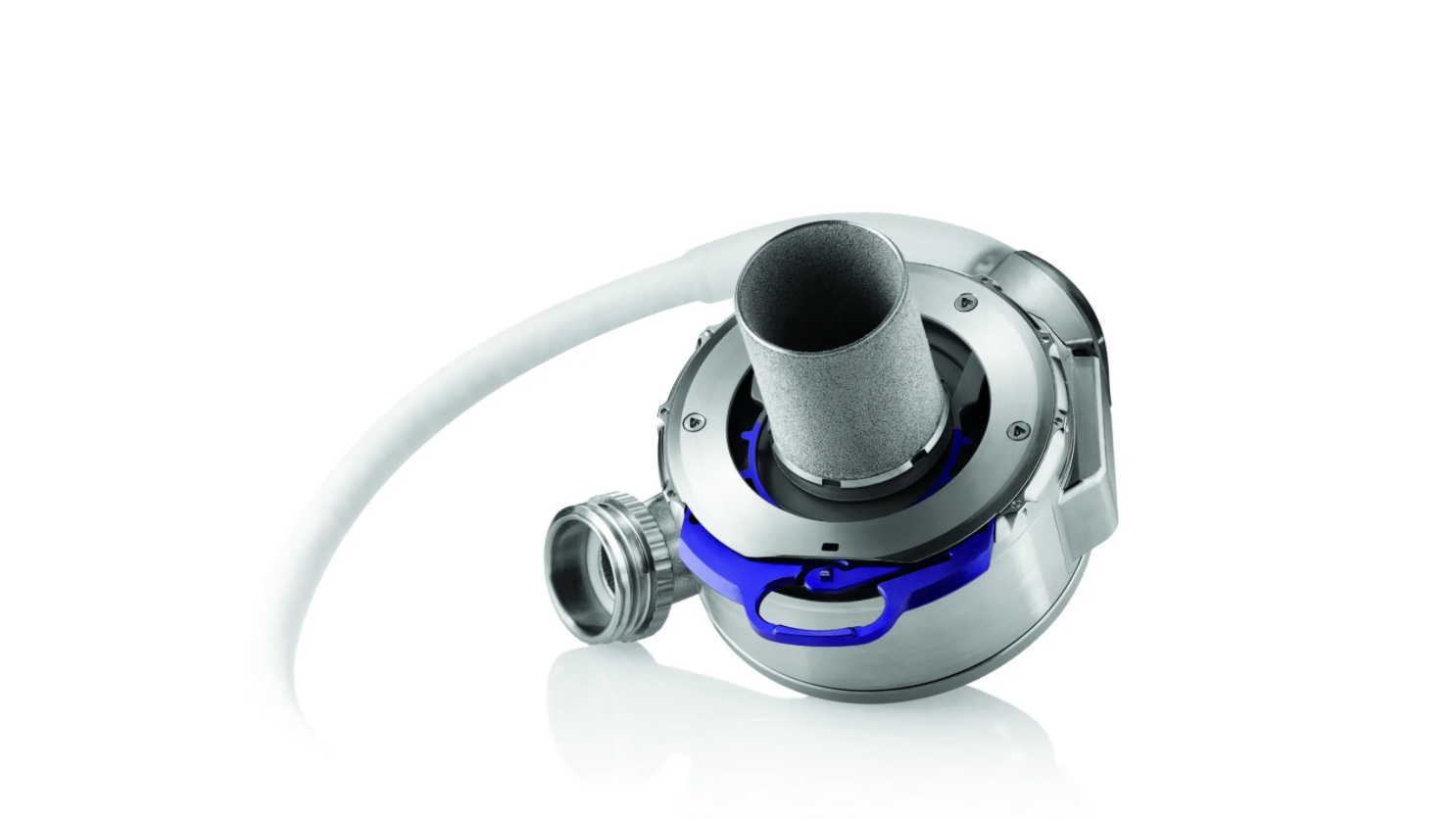
- A durable left ventricular assist device (LVAD), such as the HeartMate 3.
- Temporary mechanical circulatory support, such as VA-ECMO.
- Assessment and referral for heart transplantation.
The availability of LVAD implantation, ECMO and heart transplantation depends on the facilities, regulatory approvals, clinical privileges and multidisciplinary resources of the treating centre, and should be confirmed before treatment is planned.
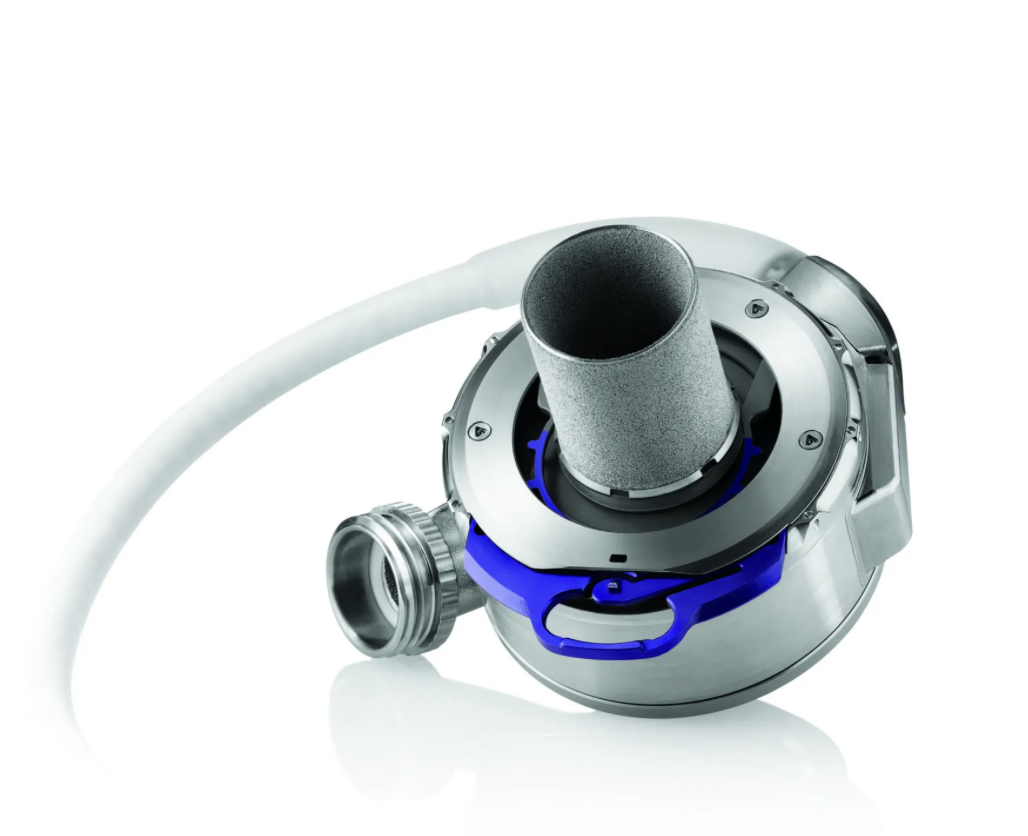
HeartMate 3 survival evidence
Reported median survival
7+ years
Reported five-year survival
60.2%
1 year
88%
2 years
83%
5 years
58%
Median survival and 60.2% five-year survival are from Abbott's clinical evidence summary; the bars show MOMENTUM 3 outcomes summarised by the American College of Cardiology in 2025. These figures come from different analyses. Individual outcomes depend on clinical condition, right ventricular function and long-term specialist care.
The LVAD-first, transplantation-later strategy
Advanced heart failure
Despite guideline-directed medical and device therapy
Advanced heart failure MDT assessment
INTERMACS profile, RV function, organ function and transplant eligibility
Durable HeartMate 3 LVAD implantation
Selected patients suitable for an LVAD-first strategy
Haemodynamic stabilisation and rehabilitation
Improved systemic perfusion and potential recovery of organ function
Heart transplantation
When eligible and a donor becomes available
Continued LVAD
Durable long-term support
Myocardial recovery
Explantation in rare, selected cases
Sternum-sparing coronary surgery
Robotic Assistance and TCRAT Coronary Bypass
Total Coronary Revascularisation via Left Anterior Thoracotomy (TCRAT) allows multivessel coronary bypass through a small chest incision without dividing the breastbone. Robotic assistance can complement it, for example to harvest the internal thoracic arteries used as bypass grafts.
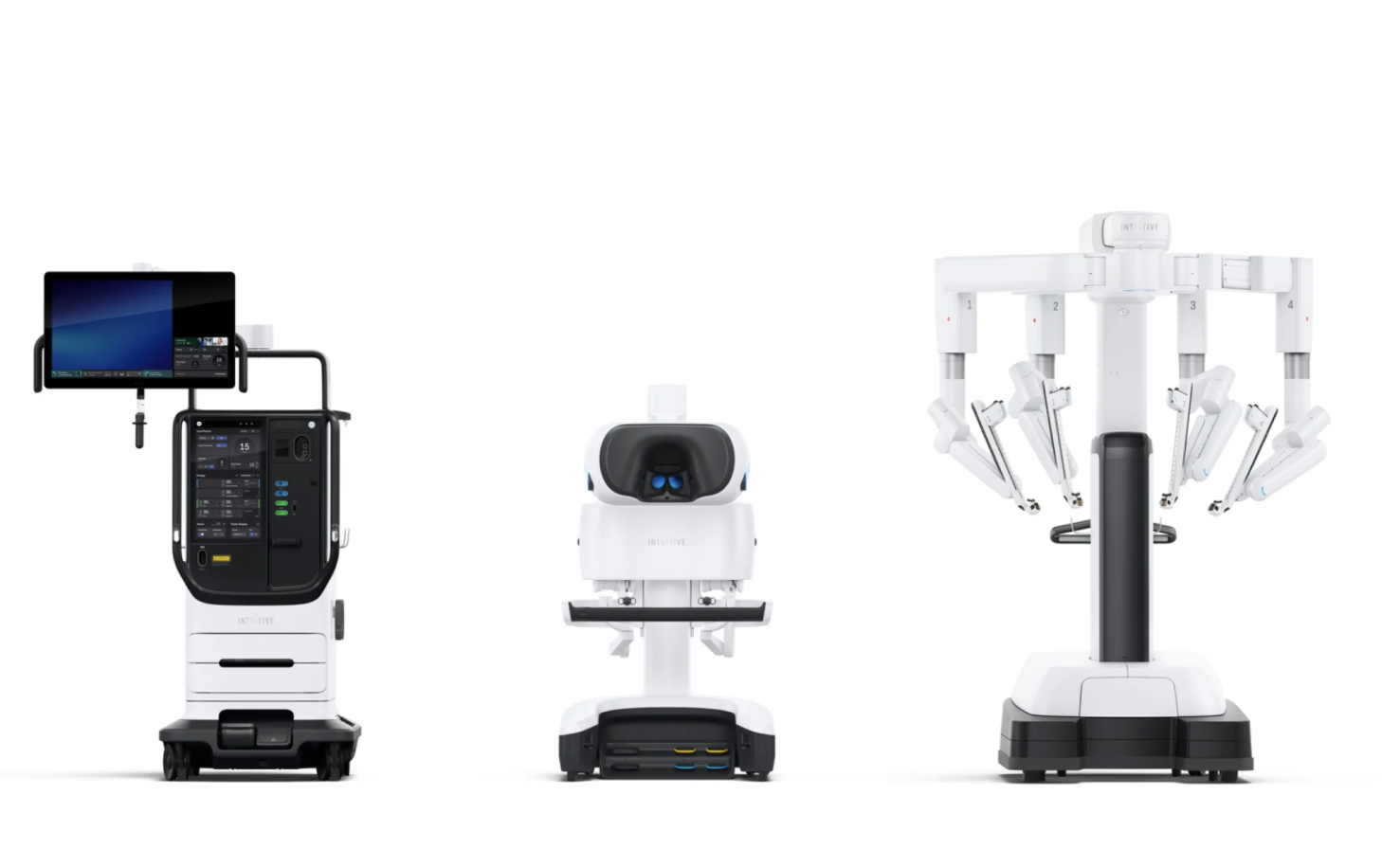
Pooled TCRAT outcomes
Patients studied
1,869
Short-term mortality
0.92%
Perioperative stroke
0.76%
Deep wound infection
0.15%
Systematic review in Perfusion (17 November 2026), seven cohorts. Pooled observational TCRAT outcomes, not results attributable to robotic assistance; they do not establish superiority or non-inferiority to conventional CABG.
Recovery: conventional CABG vs TCRAT
Mean hospital stay
Conventional CABG
6.8 days
TCRAT
5.2 days
Mean return to work
Conventional CABG
Over 2 months
TCRAT
16 days
Single-centre observational study of 75 TCRAT and 75 conventional CABG patients (return to work among employed patients). A 2026 Klinikum Fulda review of 2,282 patients also reported encouraging outcomes. Individual recovery varies, and suitability and availability depend on the treating centre.
Treatments
Cardiac Surgery
Surgical treatments designed around your needs, with you at the centre of the decision-making process.
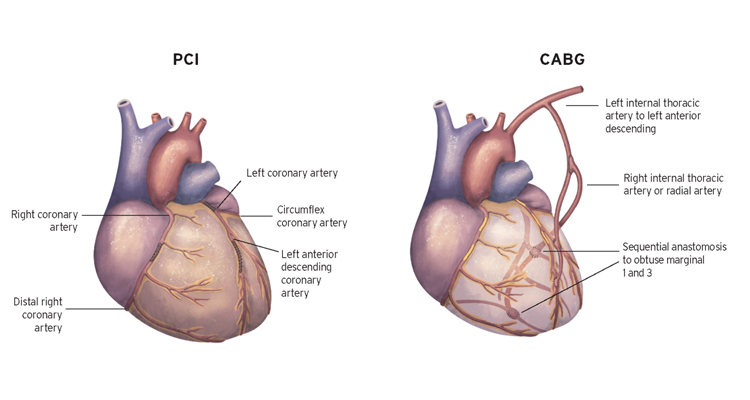
Coronary Artery Surgery- CABG/Off Pump Coronary Artery Surgery and PCI (Stents)
Aspects to be considered by the Heart Team for decision-making between percutaneous coronary intervention and coronary artery bypass grafting among patients with stable multivessel and/or left main coronary artery disease. Revascularization with the use of coronary artery bypass grafting The superiority of CABG over a strategy of initial medical therapy was established in a meta-analysis […]
Read more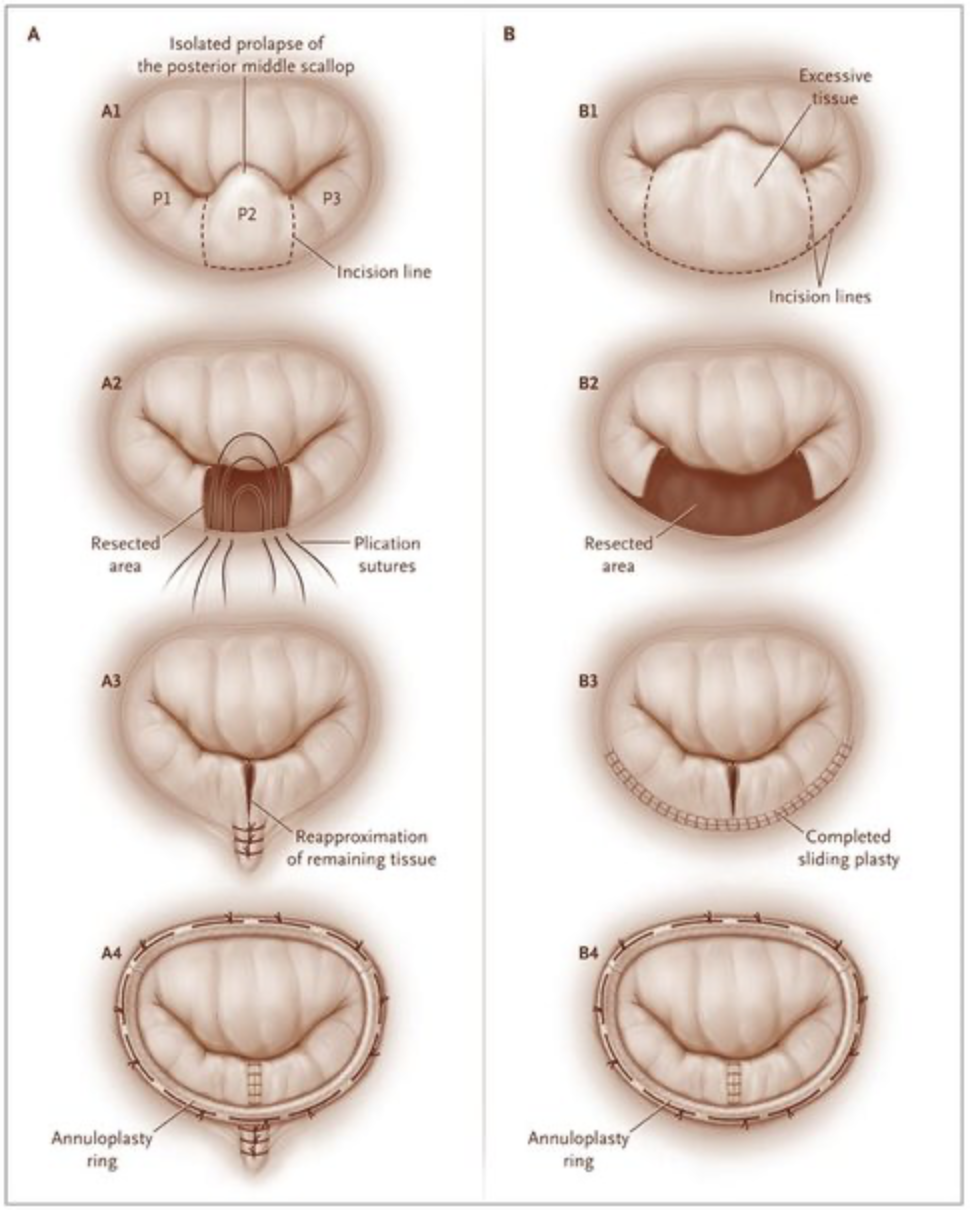
Mitral Valve Repair for Mitral Regurgitation
All patients who have any symptoms and moderate or severe mitral regurgitation should be referred for surgical treatment. It is preferable to operate on patients early in their symptomatic course, as long term survival following mitral valve repair is compromised in patients with New York Heart Association Class III or IV symptoms (see Figure 1)2. […]
Read more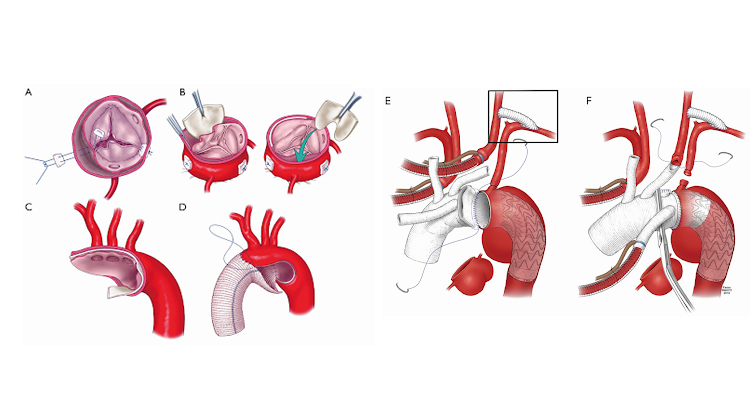
Surgery of the Aorta (Aortic Root, Ascending and Arch of the Aorta, Descending Thoracic Aorta)
Surgical Repair of Aortic Root/ Ascending Aortic / Arch and Descending Aortic aneurysms. Surgery for Acute Aortic Dissection Dr Babar Bashir CHAUDHRI is an expert in the repair of aneurysms of the aorta and surgery for of acute aortic dissections. Acute Type A aortic dissection is a catastrophic emergency, which if untreated will kill over […]
Read more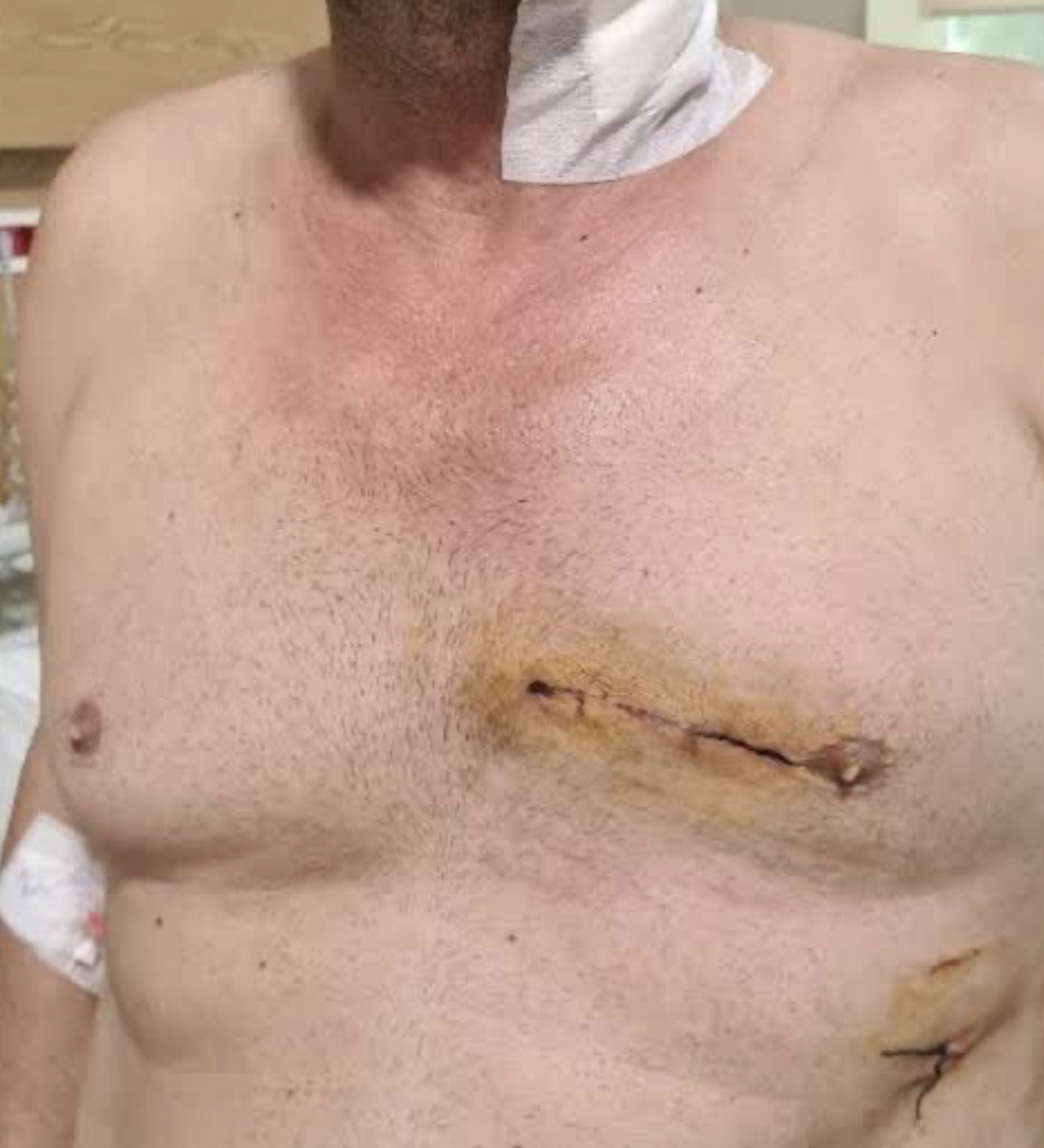
Minimally Invasive Surgery
A number of minimally invasive surgical operations are available for our patients, to treat coronary artery disease and to repair heart valves. Dr Babar Bashir CHAUDHRI is establishing a robotic cardiac surgery program in Dubai in order to deliver this service. This is the future of cardiac surgery.
Read more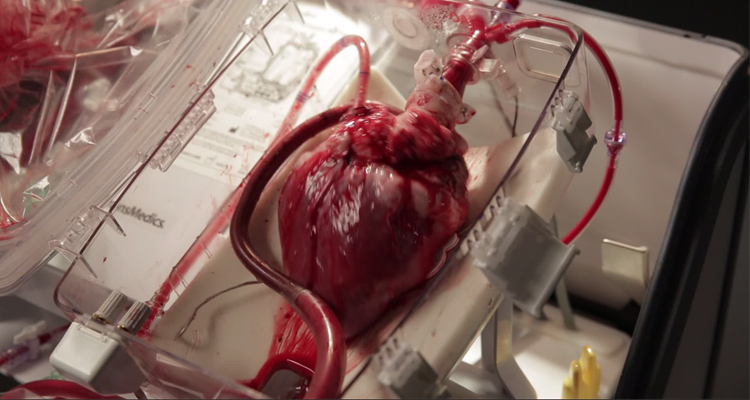
Heart Transplantation
Indications for heart transplantation Recipient criteria for heart transplantation include, severe symp- toms despite maximal medical management, the absence of reversible or surgically amenable heart disease, and where esti- mated 1-year survival is less than 50%.2 An estimate of functional capacity can be quantified by measurement of peak O2 consump-tion (VO2max). Currently, VO2max remains the […]
Read more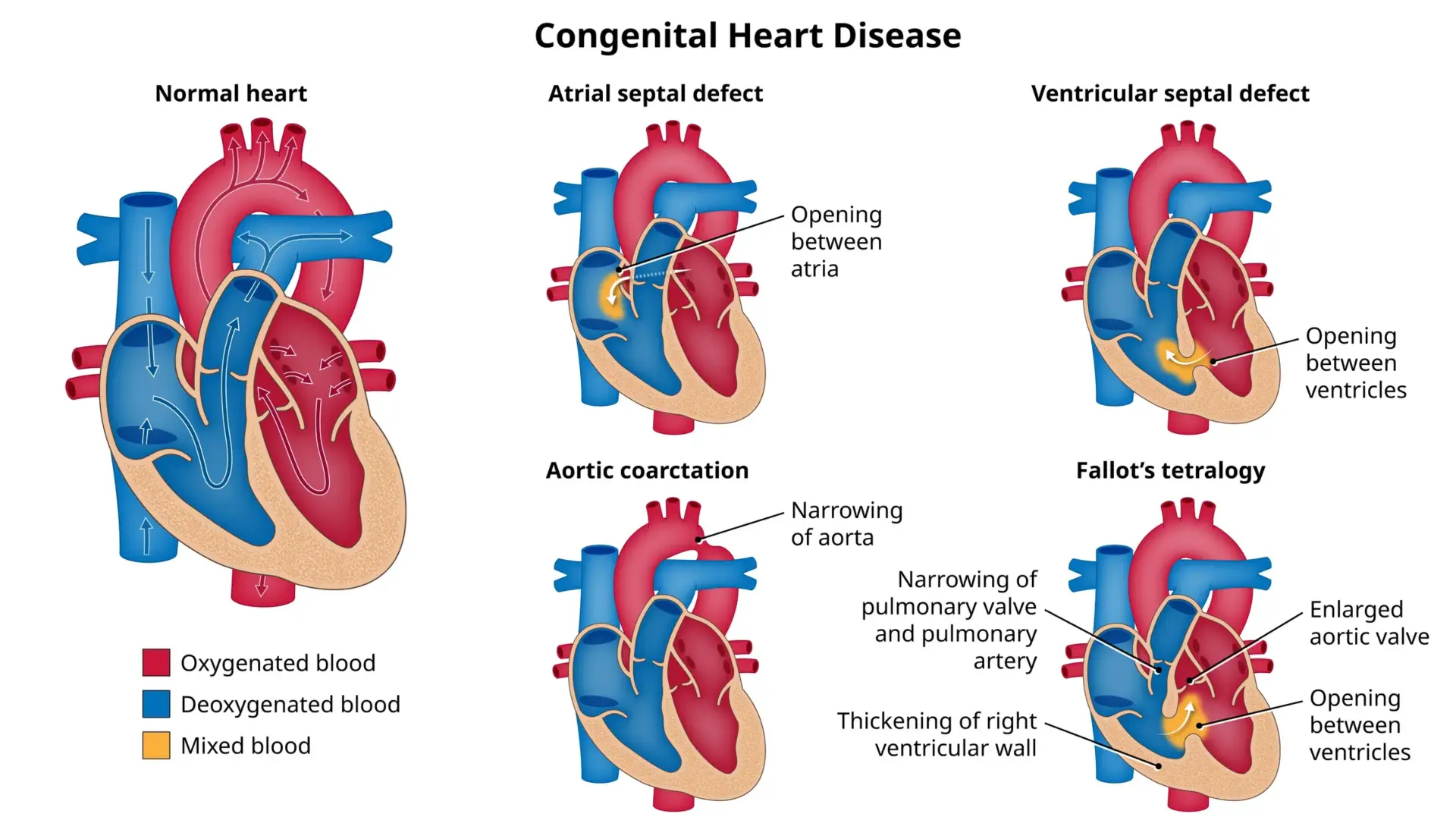
Congenital Cardiac Diseases
Dr Babar Bashir CHAUDHRI can repair intracardiac congenital defects such as atrial septal defects, ventricular septal defects, Tetralogy of Fallot and anomalous venous drainage among others.
Read moreYour care, your choices
Why choose Dr Babar Bashir Chaudhri
Specialist surgical expertise combined with honest guidance, collaborative care and treatment tailored to you.
Specialist qualifications
Board-certified cardiac, thoracic and transplant surgeon with specialist training in the UK and Germany.
International standards
Protocol-led, evidence-based care guided by current international surgical and cardiology guidelines.
Care designed around you
Individualised surgical treatment based on your needs, requirements and choices.
A safety-focused practice
Careful clinical assessment, clear communication and attention to safety throughout your surgical journey.
Collaborative care
Working with cardiologists, oncologists and an experienced, caring clinical team.
Dubai practice
Consultations and surgery at King’s College Hospital Dubai.
Excellent results
Meticulous surgical technique, careful patient selection and close follow-up, focused on excellent outcomes and a smoother recovery.
Leading edge surgery
Advanced techniques including valve-sparing aortic root replacement, minimal access surgery and mechanical circulatory support, used where they suit the patient.
Video testimonials
Hear from Patients and the Team at King’s College Hospital London, Dubai
Heart valve repair without replacement
Watch the original patient video from King’s College Hospital London Dubai.
Watch on YouTubeBest Cardiothoracic Surgeon Dubai
King’s College Hospital London Dubai on Dr Babar Bashir Chaudhri’s cardiothoracic surgical practice.
Watch on YouTubeType A aortic dissection: a life-threatening diagnosis
Dr Babar Bashir Chaudhri explains Type A aortic dissection and the cardiothoracic surgical response.
Watch on YouTubeEducation & professional standing
Certifications and affiliations
Professional education, fellowships and memberships shown on Dr Babar Bashir Chaudhri’s original website.

Royal College of Physicians of Edinburgh
Royal College of Surgeons

Sidney Sussex College, University of Cambridge
The Society of Thoracic Surgeons

University of Cambridge
American College of Surgeons
Affiliations & hospitals
King’s College Hospital London, Dubai
The practice’s hospital affiliation in Dubai, where consultations and surgical care are coordinated.

Elective Patient Referrals
A clear first step for patients, families and cardiologists.
Complete a short six-step referral. You receive a reference number straight away, and a coordinator can then review the next steps with you.
Start a referral1
Tell us who is referring
2
Share the patient’s condition
3
Send the referral for coordinator review
Red-flag symptoms are directed to emergency care on 998.
Patient information
Resources for your surgical journey
Updates
From the practice
16 May 2022
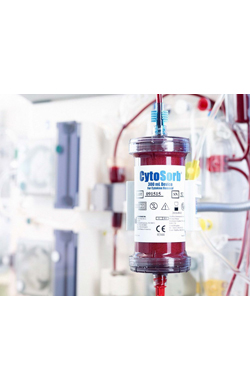
Cytosorb (TM) available for emergency cases done by Dr Babar Bashir CHAUDHRI. This makes urgent and emergency coronary artery surgery in particular, safer.
Read more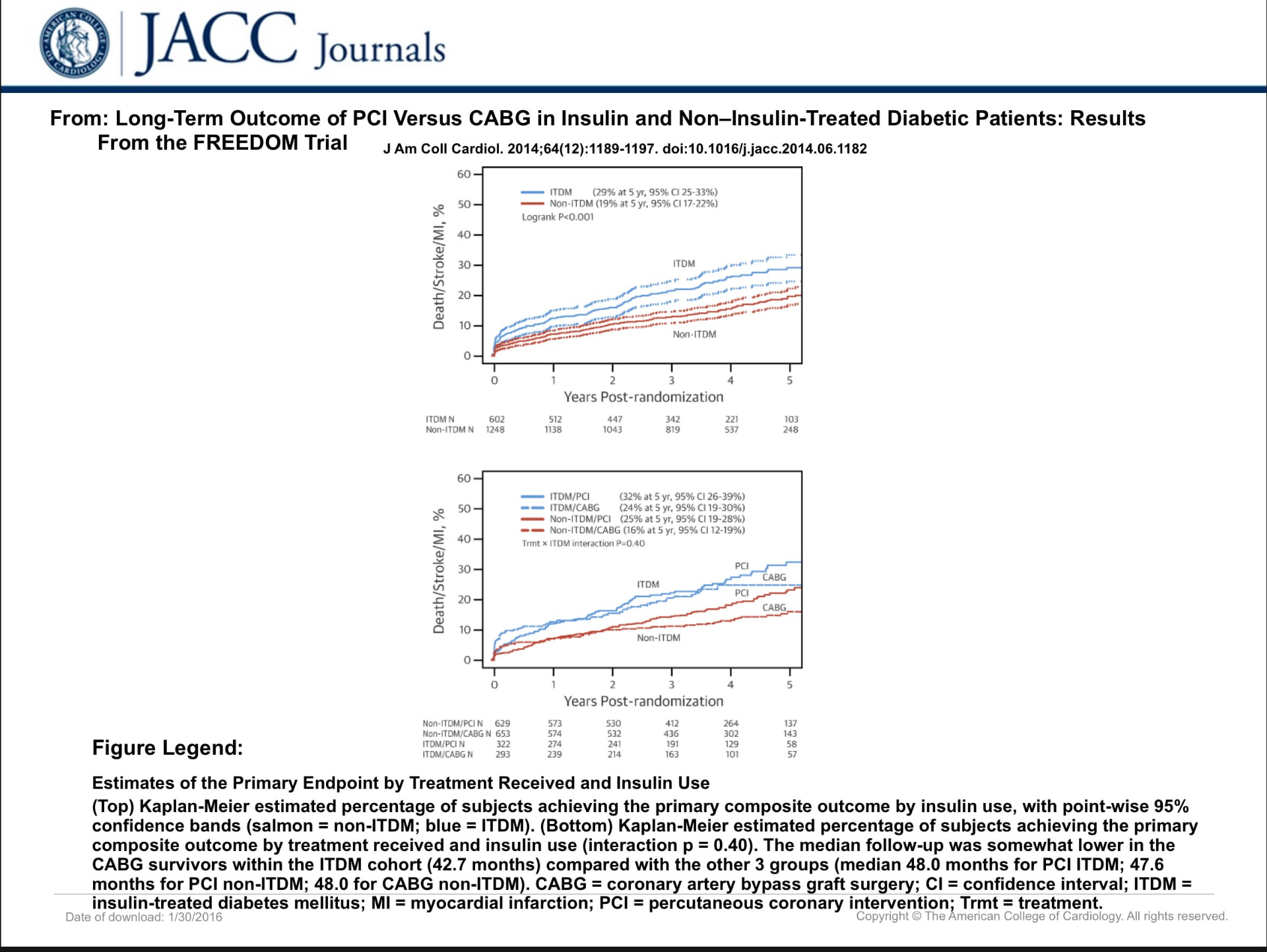
12 May 2022
Latest Research Confirms The Superiority Of Coronary Surgery Over Stenting In Multivessel Disease
Patients with three-vessel coronary artery disease have been found to have better outcomes with coronary-artery bypass grafting (CABG) than with percutaneous coronary intervention (PCI), but studies in which PCI is guided by measurement of fractional flow reserve (FFR) have been lacking.
Read more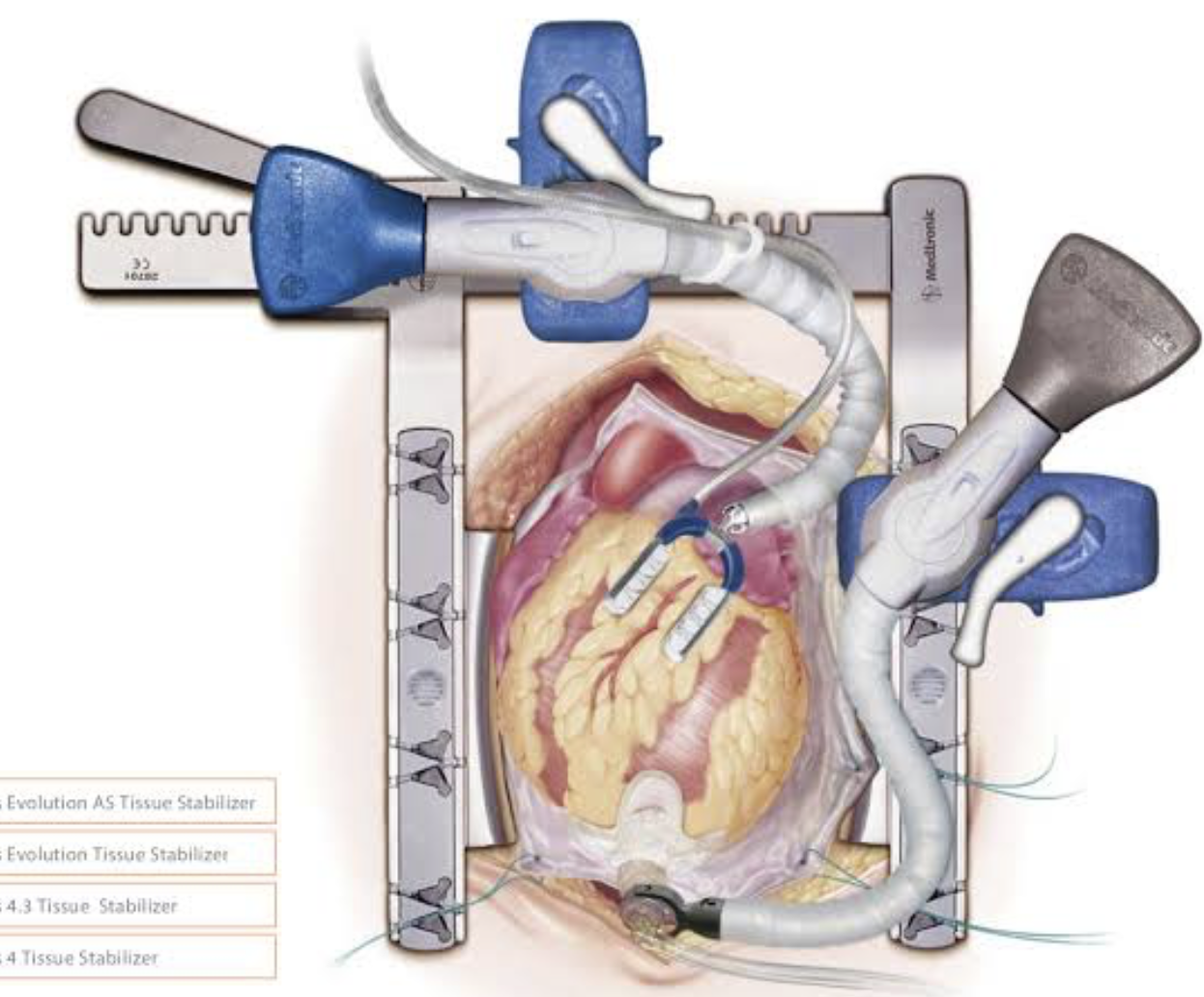
4 May 2020
Off pump (beating heart) CABG
Off pump (beating heart) CABG is safe and cost effective. Dr Babar CHAUDHRI is an expert in this form of surgery.
Read moreAppointments & referrals
Discuss your treatment or referral
Contact the practice to arrange a consultation, request a second opinion or ask about a referral.
Chest pain, severe breathlessness or fainting? Call 998 immediately. For appointments, call +971 56 467 9060.
Hospital location
King’s College Hospital London, Dubai
Consultations and surgical care are coordinated here. The maps show King’s College Hospital in Dubai Hills and Valiant Clinic, City Walk.
Hospital switchboard+971 800 7777Hospital emailinfo.ddh@kch.ae
Open in Google Maps Address
Dubai Hills, Al Khail Road, Marabea’ East Exit, Dubai, United Arab Emirates
Also consulting at
Valiant Clinic, City Walk
13th Street, City Walk, Al Wasl, Dubai, United Arab Emirates